Track disaster expenses as they occur, including date, provider, category, actual amount paid, payment method, receipt location and claim conversation. Distinguish normal baseline expenses from additional costs caused by temporary relocation. Insurance reimbursement depends on your exact policy, peril and state rules; a spreadsheet entry by itself does not prove coverage.
A plan for the people and place you know
Prepare the household, then adapt the plan to the disruption
Start with the people, supplies, contacts, and home systems you depend on. Make a workable plan for staying and for leaving, then adjust it for local hazards, mobility, storage, building rules, and the season.
Is this the right starting point for you?
- Who this is for
- Homeowners, renters, apartment residents, and caregivers making a practical plan around the people, pets, services, and constraints in their household.
- First decision
- What must stay usable if you remain at home, and what will each person need if you have to leave?
- People and essential needs first
- Local and building limits included
- Shelter and evacuation both planned
Choose what applies
If the broad starting guide is more than you need, choose the question that fits your next decision.
-
If you live in a shared building or have limited storage and transit options.
Apartment Emergency Preparedness: A Small-Space Plan -
If you need a kit you can carry or reach quickly.
Build a Home Emergency Kit That Fits Your Household -
If your immediate concern is a power outage or extended service loss.
Power Outage Home Resilience Manual -
If carrying weight or the route is a constraint.
Emergency Kit Weight Planning: Build a Bag You Can Move
82 additional planning guides
More Household readiness guides
Check the updated date, sources, assumptions, and safety limits inside each guide before acting.
When cell service fails, do not assume texting, phone apps or satellite features will always work. Before an emergency, agree on a safe meeting point, an out-of-area contact, paper numbers and how family members will respond to official instructions. Add independent sources of alerts such as a tested local NOAA weather radio where coverage exists, and verify each device's exact limits in advance.
After flooding, do not begin repairs just because visible water has drained. First confirm authorities permit return, avoid structural and electrical hazards, and contact appropriate utilities or professionals. Photograph damage safely for the insurer, stop further entry of water when authorized, then arrange safe drying and qualified structural, electrical and contaminated-material assessment before cosmetic restoration.
A practical readiness budget starts with known household hazards, required safe repairs, emergency contacts, food and water, and the cash you can realistically spare. List upfront costs and ongoing replacement expenses, then prioritize items that prevent an urgent unsafe condition or preserve essential functions. There is no universally correct percentage to spend on backup gadgets, and debt-funded upgrades require careful personal review.
More guides in this topic
78 more household decisions
- Indoor PM2.5 Monitors: What the Number Actually Means
Evaluate an indoor PM2.5 monitor by exact measured pollutant, siting, humidity, sensor quality, local trends and safety limitations rather than treating one reading as an official indoor health threshold
- Hiring a Disaster Repair Contractor: License and Quote Checklist
Verify disaster-repair contractor identity, licensing, insurance and written scopes before signing or paying, while distinguishing urgent safety mitigation from permanent reconstruction
- NOAA Weather Radio vs Phone Alerts: Which Should You Use?
Compare broadcast NOAA Weather Radio with cellular Wireless Emergency Alerts and optional app notifications by signal, power, alert type and household use
- Offline Evacuation Maps: What to Save Before a Disaster
Prepare saved offline street-map coverage, printed destination and contacts, and current authoritative evacuation alert sources while avoiding the assumption offline maps know road closures
- Neighbor Emergency Contact Network: An Opt-In Building Plan
Start a voluntary small neighbor preparedness network with consent-based contacts, explicit check-in limits, escalation and accessible communications without disclosing personal health or access details
- Portable AC vs Window AC for Heat Waves: Which Fits?
Choose between floor-standing portable and window room air-conditioning based on actual room, installation permissions, exhaust, electrical requirements and heat-safety fallback
- Apartment Water Outage: What to Ask Building Management
Identify who controls an apartment water outage, check authoritative water advisories and build a safe drinking-water and sanitation fallback while waiting for verified restoration
- Atmospheric River: A 48-Hour Household Action Checklist
Assign household tasks during the two days before a forecast atmospheric river, while switching immediately to current warning and evacuation instructions when necessary
- California Zone 0 Defensible Space: What to Check Now
Distinguish California Zone 0 ember-resistance recommendations from the rulemaking status and document a property's first-five-feet concerns for the local fire authority
- Garage Flood Preparation: A Threshold-to-Storage Checklist
Inspect a garage's visible flood entry paths and household storage exposures from safe positions, protect movable belongings and assign infrastructure concerns to the right professional
- Garage Wildfire Preparation: Doors, Embers and Safe Vehicle Exit
Check ground-visible garage ember entry, combustible storage and powered-door access before wildfire weather, while keeping evacuation and professional installation boundaries clear
- Gutter and Downspout Readiness Before Heavy Rain
Document ground-visible gutter and downspout conditions before heavy rain and route blocked, overflowing or misdirected water concerns to the responsible professional or agency
- High-Rise Power Outage Plan: Elevators, Stairs and Water
Identify which building-dependent services may fail in a high-rise outage and prepare accessible exit, water, communications and early-relocation decisions without confusing blackout guidance with fire procedures
- Hillside Home Drainage Before Storms: What to Watch
Document from safe locations unusual hillside runoff, ground cracks and changes around a home before storms and escalate possible instability to local authorities or qualified experts
- Older Home Earthquake Retrofit Priorities: Inspection Checklist
Prepare an engineer or retrofit-contractor discussion about likely earthquake structural vulnerabilities based on verified home construction type without prescribing DIY structural alterations
- One-Closet Emergency Kit for a Small Apartment
Organize a compact apartment emergency supply setup into an accessible single closet without exceeding safe storage limits or obstructing egress
- After a Wildfire: Debris-Flow Warnings and Household Decisions
Determine whether a household may be exposed to runoff and debris flows below a recent burn area and plan current-alert, early-departure and safe-route decisions using official sources
- Renter-Friendly Emergency Lighting for Power Outages
Choose portable and non-permanent emergency lighting for a rental by room, route, battery availability and accessibility without unsafe candles or electrical alterations
- Roof Leak Warning Signs Before Winter Storms
Document accessible roof and ceiling leak warning signs before winter storms, identify stop conditions, and request appropriate inspection without climbing or opening a roof assembly
- Sandbags vs Reusable Flood Barriers: A Household Choice
Compare sandbags with reusable doorway or temporary flood barriers for a specific property while identifying failure paths, installation permissions and evacuation boundaries
- Secure Tall Furniture for Earthquakes: Room-by-Room Record
Identify top-heavy furniture and falling objects near beds and exits and arrange appropriate anchoring for the actual wall and furniture construction
- Wildfire Deck Risk: Under-Deck Storage and Retrofit Priorities
Document deck-to-house joints, combustible storage and vulnerable under-deck areas from safe positions and brief a qualified contractor about wildfire retrofit options
- Wildfire Evacuation Car Kit: Vehicle and Departure Checklist
Separate what stays safely in an evacuation vehicle from personal go-bags and verify fuel, routes, gates, car seats and transport fallback before wildfire season
- Wildfire Evacuation With Pets: Carriers, Medicine and Housing
Arrange animal carriers, identifiers, records, medication, transport, accessible destinations and authorized backup caretakers before wildfire evacuation conditions
- Wildfire-Safe Fence Planning: The First Attachment to Check
Identify combustible fence and gate connections near a wildfire-exposed home and prepare a qualified material/permit discussion without treating a fence as a universal fire barrier
- Wildfire Roof and Vent Hardening: Inspection Priorities
Record roof covering, gutter debris, attic vent and eave vulnerabilities visible from safe locations and prepare product and permit questions for a qualified fire-hardening contractor
- Winter Power Outage Guide: Heat, Pipes, Food, and the Decision to Leave
Prepare for a winter power outage with a safe heating plan, pipe protection, food and water decisions, official alerts, daily checks, and clear exit triggers
- El Niño 2026–27: What Homeowners Should Prepare for Before Winter
Interpret the dated El Niño outlook without treating it as a local warning, then choose three winter preparation gaps and assign a next action for each
- Emergency Medication Record and Storage Plan
Create a current portable medication and pharmacy record, verify supply, refill, storage and cold-chain contingencies, protect private information, and prepare a clear evacuation handoff
- Flood Alerts and Evacuation: A Household Decision Plan
Interpret the full local flood alert, decide when this household should leave, choose routes and higher-ground destinations, and avoid walking or driving into floodwater
- Pet and Service Animal Emergency Plan: Transport, Shelter, and Care
Create a transport, destination, supply, medication, records, and backup-care plan for every pet or service animal, while keeping pet accommodation separate from service-animal access under applicable U.S. ADA rules
- Returning Home After a Flood: A Safe Reentry Checklist
Decide when and how to reenter a flooded home, stop at structural or utility hazards, document conditions, and begin cleanup within public-health limits
- Tornado Shelter Plan: Alerts, Safe Locations, and Fast Access
Verify the household's best available tornado shelter, alert methods, route, and access time, including early movement for manufactured homes and assistance for pets or people with access needs
- Wildfire Home Preparedness: Evacuation, Property, and Smoke Planning
Prepare a household to receive local wildfire alerts, leave without delay, reduce property hazards before fire weather, limit smoke exposure when sheltering is advised, and return only when officials allow it
- Hurricane Preparedness Checklist: Evacuation, Home, and Outage Planning
Prepare for hurricanes with official forecasts, evacuation decisions, water and food, documents, home protection, generator safety, pets, communication, and recovery limits
- Home Security During a Blackout: A Calm Household Plan
Keep doors, lighting, alarms, generators, communication, and neighbor check-ins working during an outage without fear-based claims or unsafe confrontation
- Long Power Outage Planning: Two Weeks and Beyond
Work through a day-by-day extended-outage plan for water, food, power, communication, care, and the decision to stay or leave
- Home Inventory and Emergency Documents Checklist
Create a room-by-room home inventory and a protected document index that the household can update, carry, and use after a disruption
- What an Atmospheric River Forecast Can—and Cannot—Tell You
Interpret an atmospheric river map for a selected location and time, then check the local precipitation forecast and hazard messages that guide household action.
- Dew Point vs. Humidity: Why 100% RH Can Mean Less Moisture
Compare relative humidity and dew point in the same outdoor forecast, understand what the comparison says about moisture, and keep those fields separate from indoor measurements.
- Find Air Leaks in a House: Map Drafts Before Choosing a Fix
Record accessible draft locations and simple observations, then decide whether to request a qualified home-energy assessment before selecting an air-sealing repair.
- Landslide Warning Signs: What to Notice and Do
Recognize and safely report possible landslide movement without treating a missing sign as clearance, and follow the response that fits the immediate scene.
- Water in the Basement After Heavy Rain: What to Record
Screen for immediate flood, electrical, gas, sewage, and structural hazards, then record when rain-related water appeared and where it was first visible from a dry, safe position.
- Prepare for a Public Safety Power Shutoff in California
For a California address, verify the serving utility’s PSPS notices and prepare an outage fallback without treating estimates or enrollment as guarantees of power or priority restoration.
- Tsunami Warning: A Coastal Household’s Route to High Ground
For a coastal tsunami hazard area, identify a locally designated safe place and route and know when natural or official warnings require immediate movement.
- Freezing Rain vs. Sleet: What Changes for Home and Travel Planning?
Distinguish sleet from freezing rain and record the local forecast details that determine whether to postpone travel and what to check around the home.
- Heat Index vs. Temperature: What the Forecast Number Means
Compare air temperature, relative humidity and heat index for the same place and time, then record how the actual forecast and official alerts affect a planned activity.
- Hurricane Categories Explained: What the Wind Rating Leaves Out
Read the sustained-wind category for a storm, then record the separate local hazards and official instructions that determine the household's next decision.
- Ice Dams on a Roof: Warning Signs and Safe Next Steps
Record visible roof-edge ice, snowmelt and indoor water from safe locations, recognize specific urgent structural warning signs, and prepare useful questions for a qualified building or roof professional.
- N95 vs. KN95 for Wildfire Smoke: Check Labels, Fit, and Limits
Compare an N95 and KN95 respirator for wildfire-smoke particle exposure by checking its actual standard/approval markings, fit instructions, and limits without treating the label as a guarantee of personal protection.
- NFIP Flood Insurance: Check the Waiting Period and Effective Date
Confirm the effective date and waiting-period rule for a specific National Flood Insurance Program policy using the actual policy documents and written insurer or agent confirmation.
- How to Read AirNow’s AQI Before Planning Outdoor Activity
Read AirNow’s AQI pollutant, category message, current NowCast, and forecast to make one practical outdoor-activity timing or intensity adjustment and choose when to recheck.
- Red Flag Warning vs. Fire Weather Watch: What to Check at Home
Interpret a local Fire Weather Watch or Red Flag Warning, check the affected area and timing, and review household readiness while keeping evacuation decisions tied to local emergency instructions.
- Space Heater Wattage: Estimate Energy Cost and Backup Runtime
Estimate a space heater's energy use and cost from its exact electrical input and the household tariff, then see whether backup power can supply that load without confusing output and runtime.
- Find Your Utility’s Outage Map and Report a Power Loss
Find the serving electric utility’s official outage page, check whether an address is listed, and report an outage with useful location and timing details without treating an estimate as a guarantee.
- When the Toilet Stops Working: A Household Sanitation Decision Plan
Identify the household's likely wastewater dependency, follow current local instructions, and decide when to stop toilet use or seek another safe sanitation option.
- Lightning Indoors: What to Pause Until the Storm Passes
Decide which ordinary indoor activities to pause during lightning and when it is reasonable to resume them using National Weather Service guidance.
- A Power Line Is Down Near Home: Stay Back and Call
Respond to a downed power line by keeping people and vehicles away, calling emergency services and the electric utility, and waiting for clearance.
- Mold After a Water Leak: Drying, Cleanup, and When to Get Help
Document and respond to ordinary clean-water plumbing damage, dry affected materials promptly when safe, and decide when the leak or mold needs professional attention.
- NOAA Weather Radio Setup: SAME Codes, Reception, and the Weekly Test
Configure a SAME-capable weather radio for the correct location and transmitter, then verify reception and its response to the local routine weekly test.
- California El Niño 2026–27: How to Prepare Your Home Before Winter Storms
Identify which California rain and outage exposures may apply at home, note visible concerns safely, and assign each follow-up to the responsible person or agency
- Safe Emergency Heating During a Power Outage: Four Practical Options
Compare four safer ways to stay warm during a power outage, with clear carbon monoxide, fire, ventilation, and evacuation limits from public safety authorities
- Earthquake Household Plan: During Shaking and the First Safety Check
Decide what each household member will do during shaking, inspect immediate post-quake hazards without entering unsafe areas, and set clear boundaries for utility shutoff, professional evaluation, and re-entry
- Wildfire Smoke at Home: Set Up a Cleaner-Air Room
Choose, prepare, and use one practical cleaner-air room during wildfire smoke, while managing heat, filtration limits, household needs, and reasons to leave
- Extreme Heat and Power Outages: A Household Cooling and Safety Plan
Decide how this household will stay cool, protect essential care and food, respond to smoke, and reach a safer place when power fails during extreme heat
- Emergency Preparedness for Older Adults and Care Partners
Plan for medication, powered medical equipment, mobility, hearing and vision, heat and cold, communication, evacuation, pets, and caregiver coordination
- 15 Winter Preparedness Mistakes to Avoid
Avoid common winter planning errors involving generators, indoor heat, travel, pipes, food, alerts, medical needs, overexertion, supplies, and the decision to leave
- Winter Storm Preparedness Guide: Before, During, and After
Prepare for winter storms with official alerts, safe heat, food and water, vehicle and travel decisions, communication, power planning, and recovery checks
- Monthly Winter Prep Calendar: A September-to-Spring Schedule
Spread winter readiness across a manageable calendar for home service, supplies, alerts, vehicles, outage planning, mid-season checks, and spring review
- Spring Storm Season Prep: A Home Readiness Reset
Use spring to refresh alerts, evacuation plans, backup power, drainage, wildfire readiness, tornado sheltering, hurricane supplies, and documents
- Winterizing a Home and Preventing Frozen Pipes During Outages
Inspect vulnerable pipes, learn the water shutoff, use insulation and approved heat cable, follow local drip guidance, thaw safely, and respond to leaks without open flames
- Fall Home Preparedness Checklist: Inspect Before Freezing Weather
Use fall to inspect heating, alarms, plumbing, drainage, the vehicle, winter supplies, backup power, communication, and the household's heated backup location
- Winter Storm Watch vs. Warning: What the Alert Means
Understand winter storm watches, warnings, and advisories, why local criteria vary, where to read the full alert, and which household actions belong at each stage
- Disaster Preparedness Checklist: A Household Planning Review
Review household needs, local hazards, alerts, evacuation, water, food, medication, communication, backup power, documents, pets, maintenance, and practice
- Winter Household Communication Plan: Travel, Outages, and Check-Ins
Adapt a household communication plan for winter travel delays, school and work separation, power outages, warming locations, short messages, paper contacts, and official alerts
- Home Improvement Preparedness: Prioritize Safety and Resilience
Prioritize alarms, electrical and heating safety, water control, drainage, roof and tree risks, insulation, backup power planning, documentation, and qualified professional work
- Indoor Heating Safety During a Power Outage
Safety rules for generators, installed wood stoves, portable heaters, smoke alarms, carbon monoxide alarms, and the decision to leave a cold home
- Disability-Inclusive Emergency Plan: Access, Support, and Evacuation
Turn a person's mobility, communication, sensory, cognitive, access, support, transport, shelter, and service-animal needs into a portable emergency plan
Equipment research
Use these guides after you know the household requirement. Specifications, prices, and availability change, so verify dated details with the manufacturer or seller before buying.

Compare a portable air cleaner, a compatible HVAC filter, and a temporary DIY unit by room size, airflow, smoke-particle performance, ozone, noise, power, and upkeep.
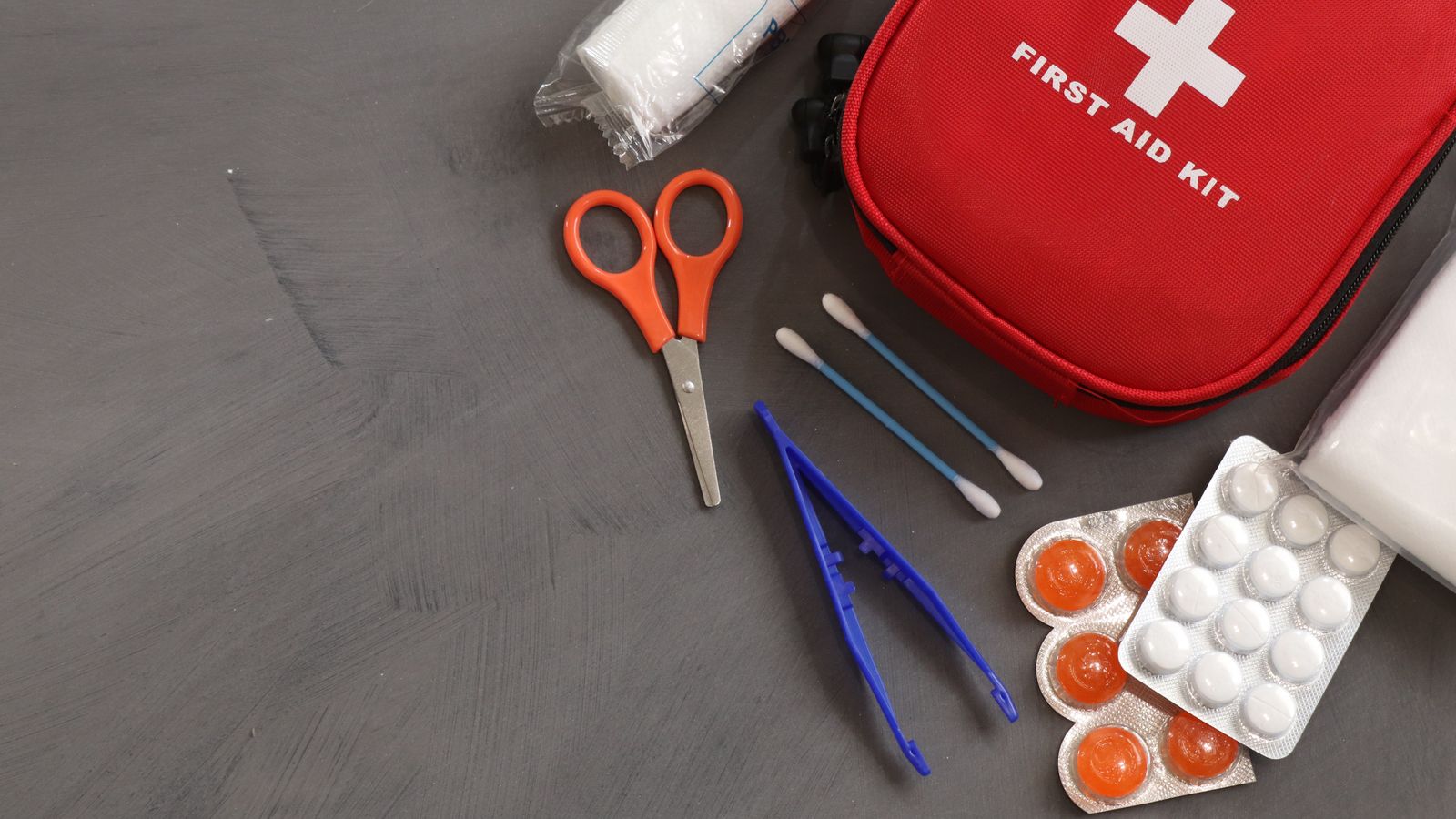
A practical household checklist for water, food, medication, light, communication, sanitation, documents, tools, evacuation, and documented gear.
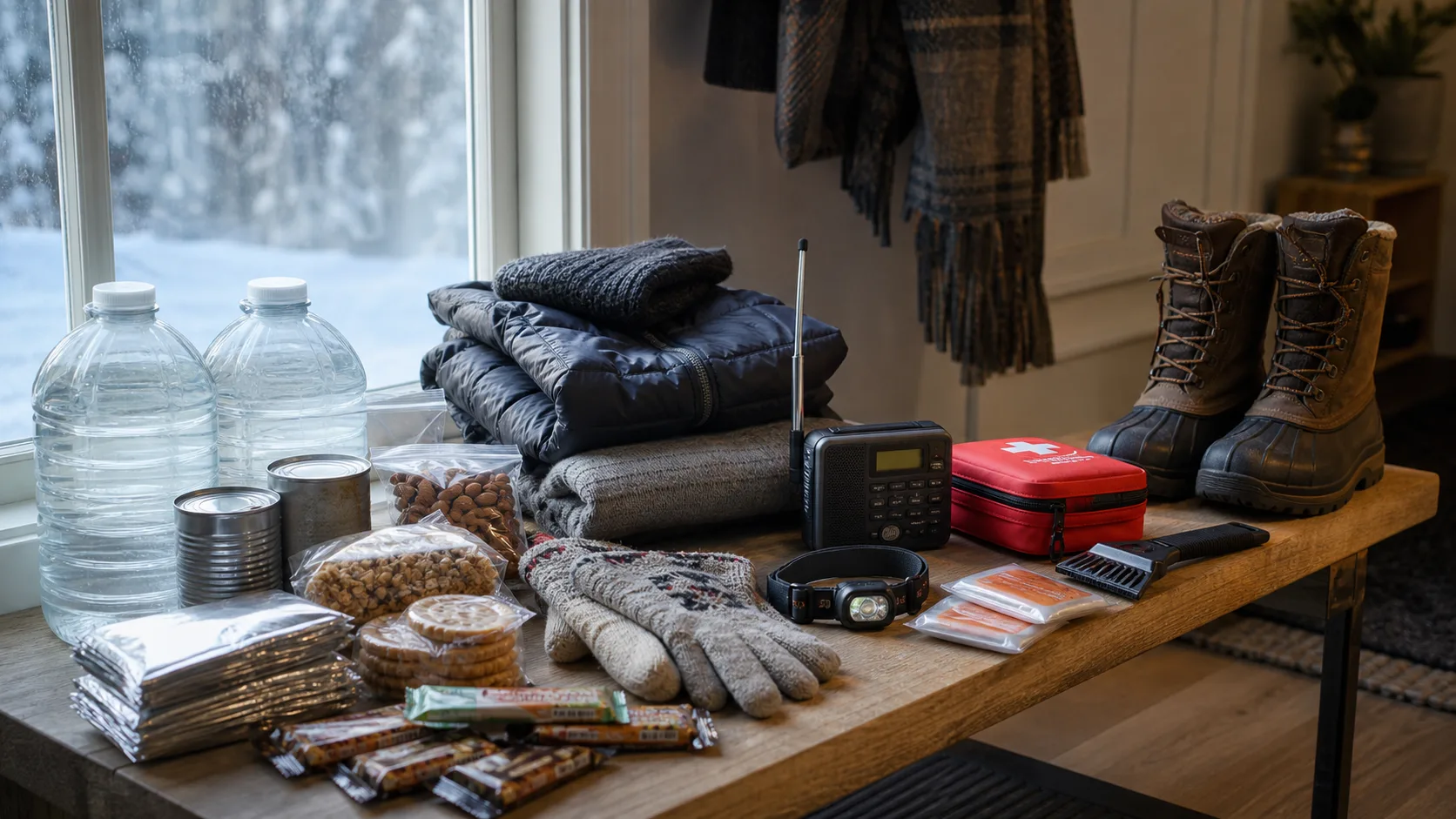
Build a winter kit for home, vehicle, and evacuation with water, familiar food, medication, warm layers, light, communication, safe heat limits, and maintenance.
Plan first. Buy what is missing.
Core household supplies to inspect first
Start with water containers and basic kitchen tools before buying a pre-made bundle. These documented examples are optional buying research; use suitable equipment you already own.
Scepter
Flow Control Water Can (WCG501)
- Listed water capacity
- 5 US gal Manufacturer source for Listed water capacity (checked 2026-10-22; opens in a new tab)
When to consider another option A household that requires published cabinet dimensions or a verified stacking rating before purchase.
Read the fit and limitationsOXO Good Grips
Soft-Handled Can Opener (SKU 28081)
- Listed dimensions
- 7 × 2 × 3 in Manufacturer source for Listed dimensions (checked 2026-10-04; opens in a new tab)
- Manufacturer care instructions
- Hand wash the can opener. Manufacturer source for Manufacturer care instructions (checked 2026-10-04; opens in a new tab)
When to consider another option Ready-to-eat pouches, pull-tab cans, or other foods that do not require this tool.
Read the fit and limitationsBefore you begin
How much should a household store?
Use local hazard guidance and your household needs to choose a duration. Favor supplies that fit safely, can be carried if needed, and are easy to rotate rather than a fixed universal stockpile.
How do you stay warm in an apartment during a winter power outage?
Use dry layers and bedding, close off one room when safe, and identify a heated place to go if the home cannot be kept warm. Never use an oven, camp stove, grill, or generator indoors for heat. Read safe emergency heating guide.
Where should you shelter from a tornado if you have no basement?
The National Weather Service advises using a small interior room without windows on the lowest floor. Stay away from windows and, if possible, get under something sturdy or cover your head from debris. Read tornado shelter plan.
Should I shelter in place or evacuate?
The hazard, building condition, official instructions, transportation, health needs, and route safety determine the choice. Plan both options before an emergency and follow evacuation orders.
What belongs in a winter car emergency kit?
For winter trips, consider a shovel, traction material, jumper cables, a flashlight, blankets, a phone charger, water, food, and necessary medicine. Adjust the kit for your trip and vehicle, and follow current road and weather guidance. Read 72-hour winter emergency kit.
What changes in an apartment or shared building?
Account for shared utilities, stairs, elevator outages, building rules, management contacts, accessible exits, and the weight of supplies you may need to move. Do not use an elevator during a fire.
Keep your plan current
Small updates. A more prepared home.
Get occasional guide updates, practical worksheets, and seasonal household checks.