Powered Medical Device Outage Plan: Care Continuity Before Runtime

Plan for a powered medical device outage with a care fallback, device record, manual and provider checks, backup power, relocation, utility contacts, and a safe restart.
Power outages and essential loads
A useful backup-power plan starts with measured loads, then accounts for starting demand, runtime, recharge or fuel, a safe operating location, and a fallback when the outage lasts longer.
Recommended starting guide
Build the load-to-system brief before comparing battery stations, generators, solar-plus-storage, or permanently installed equipment.
After the starting guide, use only the steps that match the household decision in front of you.
Turn measured watts and watt-hours into a runtime estimate, then check reserve, conversion loss, output, and motor starting demand.
Read this guideUse measured loads, the difficult season, location data, storage autonomy, and inverter limits instead of a generic solar package.
Read this guidePlan generator placement, carbon-monoxide alarms, connections, refueling, and maintenance.
Read this guide13 published guides
Check the updated date, sources, assumptions, and safety limits inside each guide before acting.
Powered Medical Device Outage Plan: Care Continuity Before Runtime
Plan for a powered medical device outage with a care fallback, device record, manual and provider checks, backup power, relocation, utility contacts, and a safe restart.
Battery Runtime Planning: Watts, Watt-Hours, and a Safer Test
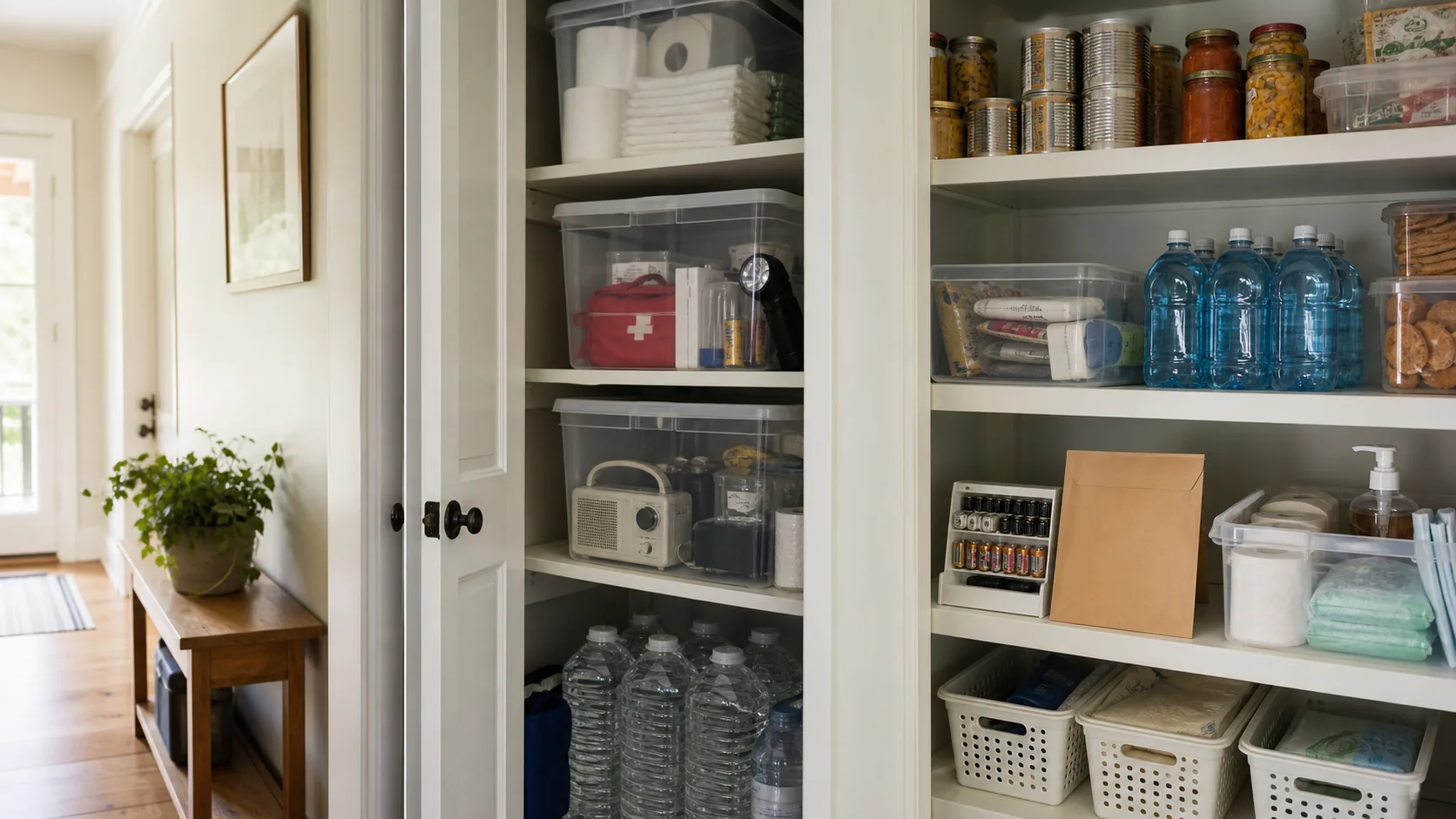
Estimate battery-backup runtime from measured loads, usable capacity, reserve, conversion loss, output limits, motor surge, temperature, age, and a real test.
LiFePO4 Battery Backup Maintenance: A Manual-First Checklist

Maintain a LiFePO4 backup system with manual-specific storage, temperature, inspection, firmware, load testing, fault response, and service records.
Battery Types Explained for Home Backup Power

Compare lead-acid, AGM, lithium-ion, LiFePO4, and emerging battery options by complete-system use, maintenance, temperature, usable energy, and safety.
6 more household decisions
Use these guides after you know the household requirement. Specifications, prices, and availability change, so verify dated details with the manufacturer or seller before buying.
Solar Generator Buying Guide: Compare the System, Not the Hype

Compare portable power stations by usable energy, output, charging inputs, temperature, safety evidence, service, and a repeatable load test.
How to Choose a Portable Generator for Home Backup
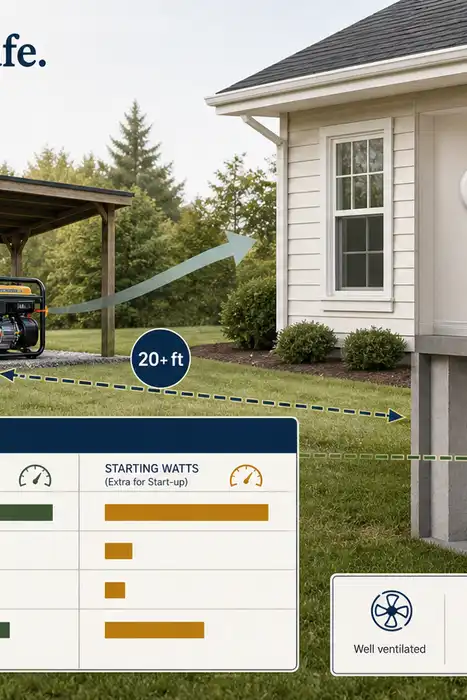
Choose a portable generator from critical loads, starting demand, a safe outdoor location, connection method, fuel plan, service, and the exact manual.
Add the running energy of essential loads, account for startup demand, choose a realistic outage duration, and include conversion losses. Verify the result against equipment manuals and a qualified installer's site assessment.
Battery power stations do not create combustion exhaust while discharging, but they still require manufacturer-approved placement, ventilation, temperature, charging, and fire-safety precautions. Fuel-burning generators must stay outdoors.
No. Shade, orientation, structure, weather, code, transfer equipment, surge loads, and electrical protection require site-specific verification and qualified work.