In this guideJump to a section
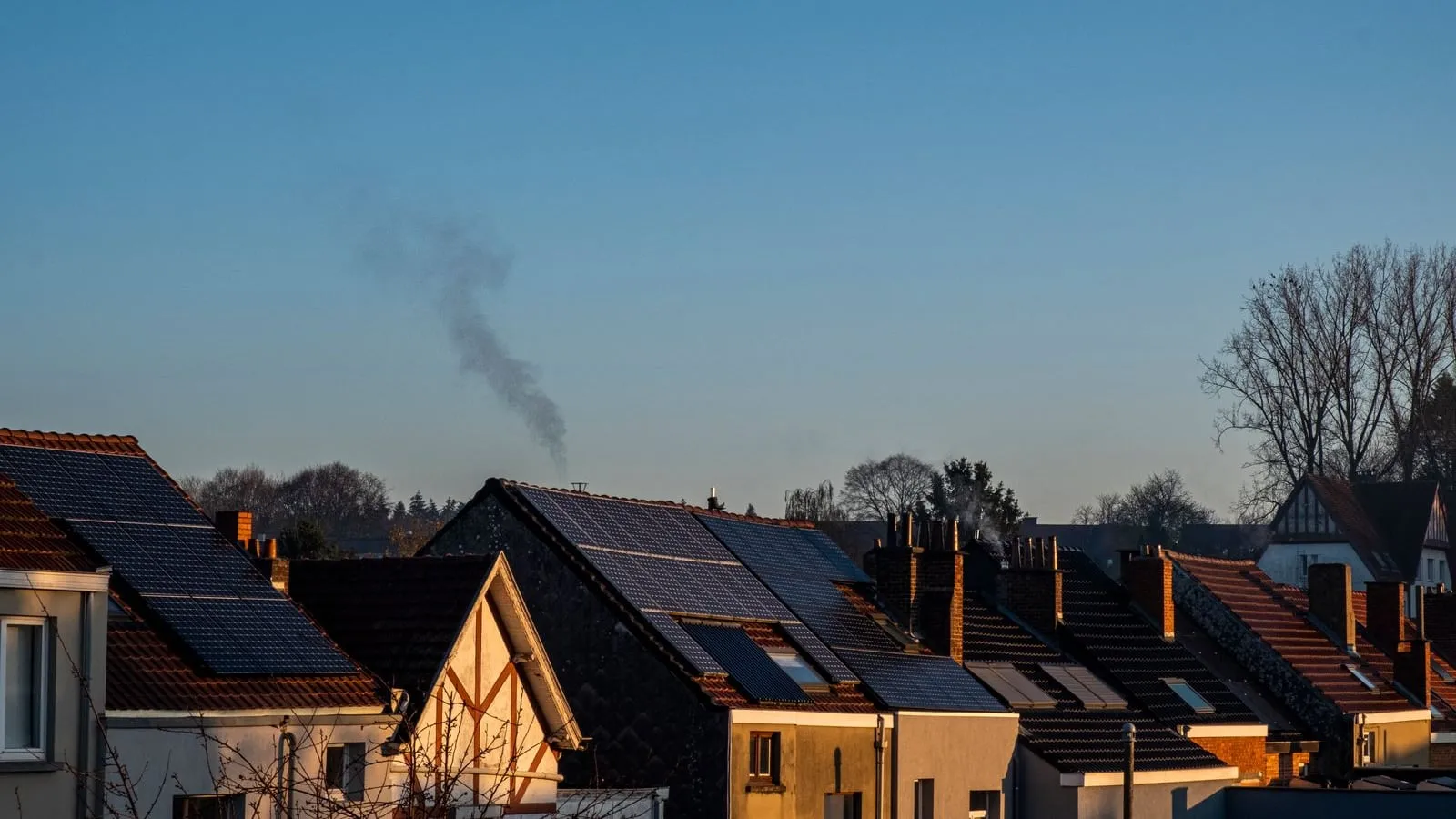
The panels may reduce the monthly electric bill while the kitchen still goes dark during an outage. A sales invoice and a roof full of panels do not identify the circuits, isolation equipment or controls installed for backup. DOE’s resilience overview explains why the system configuration matters; the owner’s installation records answer the household-specific question.
The equipment that changes the answer
An outage-capable system must be designed to separate from the utility and create a local source for selected loads. Depending on the design, that can involve a hybrid or backup-capable inverter, transfer or isolation equipment, controls, and battery storage. Some systems can provide limited daytime backup without a battery; that behavior is product- and installation-specific and must be confirmed in the exact system documentation. For example, Enphase’s December 2021 North American announcement distinguished ordinary grid-tied operation from a battery-free Sunlight Backup configuration with additional isolation and load-control equipment. That historical example does not confirm current equipment availability or your installation’s capability.
| What you have | What to expect during a utility outage | What to verify |
|---|---|---|
| Standard grid-tied PV | Commonly shuts down with the grid, even in sunlight | Inverter documentation and installer records |
| Grid-tied PV with a battery | May power only designated backed-up circuits | Which circuits are backed up, battery reserve, operating limits, and start-up behavior |
| System with a documented daytime backup mode | May supply a limited, variable load while sunlight and equipment conditions allow | Exact model’s backup mode, capacity, and commissioning instructions |
DOE’s resilience and inverter overview explain the grid and inverter roles. The battery-free example above comes from the manufacturer announcement. This table is a configuration comparison, not a test of your installation. A battery alone does not prove that solar charging continues during an outage, and panels alone do not prove there is a safe islanding function.
Check your installation records
Find the inverter and battery model numbers, system design or single-line diagram, backed-up-load list, installer commissioning paperwork, and owner manuals. Ask the installer or manufacturer:
- Is the system approved to operate while isolated from the grid?
- Which loads are connected to its backup output, and what are the continuous and surge limits?
- Does PV recharge the battery during an outage, and what conditions limit that operation?
- What reserve or shutdown behavior applies when the battery is low?
- Which actions are permitted for the homeowner during an outage?
Do not turn disconnects on or off based on a generic article, connect a panel or generator to a home circuit, or alter wiring. Use only the documented controls and procedures for your system; contact the installer or utility if the paperwork is unclear.
Make a one-page record for your system
Copy the answers from the owner manuals, system design, and commissioning paperwork. If a detail is missing, write not documented and ask the installer; do not infer it from a product name or from another home’s setup. Keep the completed record with your private system documents.
- Inverter and battery models
- Answer: ____________________________________
- Document and page: ____________________________________
- Isolation or transfer equipment
- Answer: ____________________________________
- Document and page: ____________________________________
- Backup mode and its stated conditions
- Answer: ____________________________________
- Document and page: ____________________________________
- Backed-up circuits and documented continuous/surge limits
- Answer: ____________________________________
- Document and page: ____________________________________
- Whether PV can charge during an outage, and stated conditions
- Answer: ____________________________________
- Document and page: ____________________________________
- Battery reserve, low-charge, and restart limits
- Answer: ____________________________________
- Document and page: ____________________________________
- Homeowner-permitted controls and procedure
- Answer: ____________________________________
- Document and page: ____________________________________
- Installer confirmation date and record location
- Answer: ____________________________________
- Document or record location: ____________________________________
This record helps you ask a precise question; it is not approval to operate equipment, change a setting, or alter wiring. Do not post home-specific system documents or account details publicly.
A useful question about an apparently working system
Imagine a home where the battery keeps the refrigerator circuit alive but the kitchen receptacles are dark. That can be consistent with a design backing up selected circuits; it does not, by itself, show that the solar system has failed. Ask the installer for the backed-up-load list and the equipment’s documented status indicators. Do not move circuits or use an extension arrangement to defeat the intended boundary.
A second useful question is what happens after an overnight outage depletes the battery. The answer depends on the installed system’s restart and PV-charging behavior. Ask for the owner-permitted sequence in writing and a fallback for the period before power is available. A sunny forecast and a battery purchase receipt do not answer that question.
Plan around the actual backup output
Even a correctly configured system may serve only a small backed-up panel or a few critical circuits. Confirm the loads and their starting requirements against the documented output, then estimate energy use against available storage and expected solar conditions. Outage planning should include a fallback for cloudy weather, depleted storage, or service interruptions. Once you have the documented backed-up loads and limits, use the Battery Runtime Guide to estimate energy needs; that estimate does not establish system compatibility or approve an operating sequence.