Preventing avoidable household water damage starts with accessible checks: look and listen for drips, running toilets, damp hoses, appliance connections and recurring wet spots; compare water-bill trends and know who controls the main shutoff. Report hidden or active leaks to the owner or qualified plumber. Never enter wet electrical areas, force shared valves or assume a leak sensor can stop every leak.
Stored water and source safety
Store a usable supply, then plan for the source that fails
Start with water the household can reach and dispense during an outage. Then match testing and treatment to the source, advisory, or contaminant instead of assuming one filter or one disinfection method handles every problem.
Is this the right starting point for you?
- Who this is for
- Households preparing for utility outages, boil-water notices, damaged wells, questionable source water, limited sanitation, or a longer interruption in safe water service.
- First decision
- How much immediately safe water can the household store, lift, place, and dispense before it must depend on treatment or a refill source?
- Stored water as the first layer
- Treatment matched to the hazard
- Public-health instructions checked
Choose what applies
If the broad starting guide is more than you need, choose the question that fits your next decision.
-
If you need to set a stored-water amount for your household.
How Much Emergency Water for a Family of 4? 12–56 Gallons -
If you need containers you can safely place, lift, and dispense from.
Water Storage Container Guide: Choose, Place, and Dispense Safely -
If you must assess a specific source or treatment method.
Emergency Water Purification Methods: Boiling, Disinfection, and Filtration
28 additional planning guides
More Water & sanitation guides
Check the updated date, sources, assumptions, and safety limits inside each guide before acting.
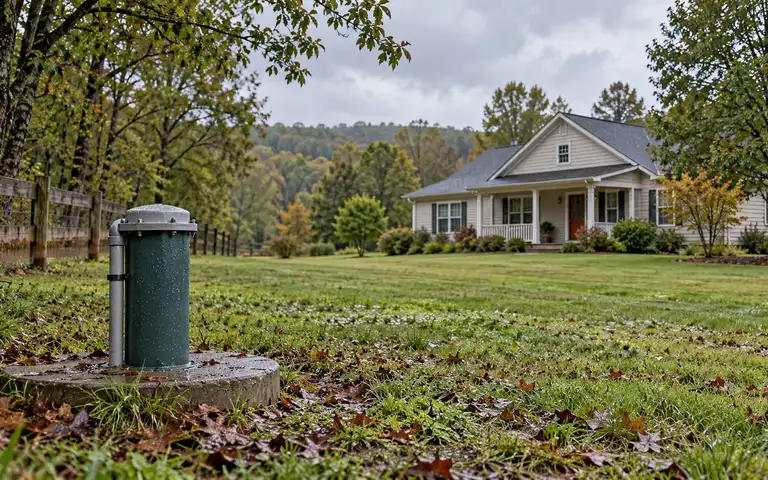
Keep a flooded private well out of service while local health officials and qualified contractors set the inspection, disinfection, flushing, and testing sequence.
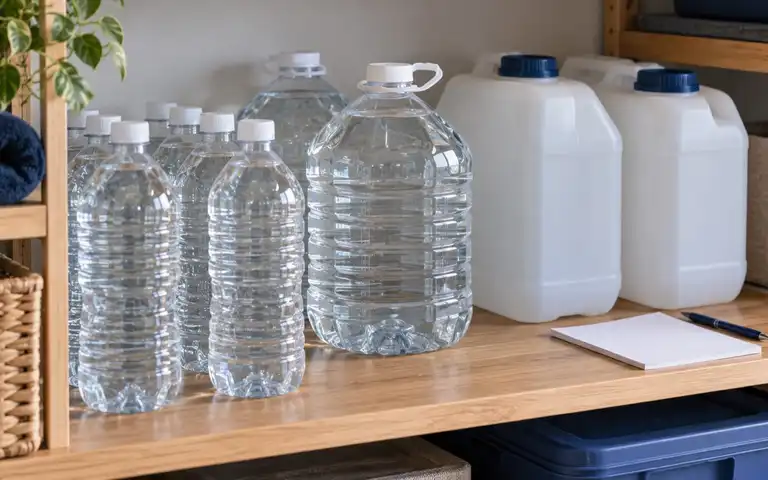
Follow current CDC steps to clean and sanitize emergency water containers, label and rotate self-filled water, avoid recontamination, and respond to advisories.
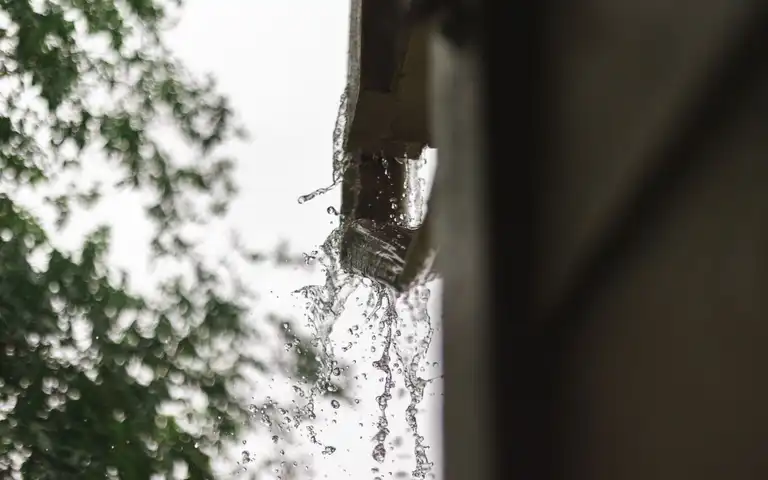
Plan a rainwater collection system around local rules, intended use, roof conditions, storage, maintenance, and drinking-water safety limits.
More guides in this topic
24 more household decisions
- Gravity Water Filters: Verify the Vessel, Element, and Claim
Verify a gravity-fed water filter's exact vessel, element, current certification scope, named claim, capacity, and use limits before relying on it.
- Water Pressure Too High? Take a Reading and Plan the Next Call
If an outdoor hose connection is safely accessible and owner-authorized, record a static pressure reading and ask the utility or plumber how it compares with local guidance.
- NSF 42 vs. 53: Check the Exact Water-Filter Claim
Verify a drinking-water filter's exact model, cartridge, standard, and named reduction claim in a current certification listing before relying on it.
- Septic Tank Maintenance: Build a Record for Your Actual System
Identify the installed septic system from property records, keep professional service findings together, and confirm the next action and date with the provider or local authority.
- Can a TDS Meter Tell You Whether Water Is Safe?
Interpret a handheld total-dissolved-solids meter reading without treating it as a contaminant-specific or drinking-water safety test.
- Toilet Keeps Running? Match the Symptom to the Right Part
Observe whether a running toilet appears to refill through the fill valve or leak past a flush seal, identify the exact toilet model, and verify any replacement part against its maker.
- UV Water Purifier Readiness: Check the Model, Alarm, and Power
Record the model-specific water prerequisites, status indicators, and safe response for an installed residential UV water treatment system.
- Washing-Machine Hoses: Inspection, Replacement Planning, and Leak Prevention
Identify and record the washer's accessible water-inlet hoses, their visible condition and known service date, then use the exact washer and hose guidance to plan replacement or service.
- Water Hammer: What to Record When Pipes Bang
Record when and where pipes bang during ordinary water use so a plumber or property manager can assess the right system and trigger.
- Water Smells Like Rotten Eggs? Compare Hot, Cold, and Other Taps
Record whether a sulfur-like water odor occurs at hot or cold taps and across fixtures, then ask the water utility, health department, or a licensed well professional about appropriate testing.
- Cloudy or Discolored Tap Water: What to Do First
Respond to a sudden water change by documenting where and when it occurs, checking current notices, and asking the utility or health department what to do.
- How to Audit Household Water Use and Find Practical Savings
Audit household water use from utility records and leak checks, then prioritize and track a small number of practical savings actions.
- Low Water Pressure in Your House: What to Check and Who to Call
Record where and when weak water flow occurs, compare ordinary fixtures without taking equipment apart, and decide whether to contact a water utility, property manager, or plumber.
- Reverse Osmosis vs. Distilled Water: How the Processes Differ
Compare reverse osmosis and distillation for a routine household water concern and verify that the chosen system addresses a known contaminant.
- Does Bottled Water Expire? Dates, Seals, and Storage
Inspect and rotate commercially bottled emergency water using its package date, intact seal, container condition, and storage conditions without applying home-filled-water rules.
- How to Wash Dishes During a Boil-Water Advisory
Choose a dishwashing method that follows the current local instructions during an active boil-water advisory.
- When to Replace a Home Water Filter Cartridge
Schedule a household water-filter cartridge replacement using the exact system instructions, rated service interval, and model-compatible part.
- Water Softener vs. Water Filter: Match the System to the Problem
Distinguish a household hardness problem from a named drinking-water concern and identify what evidence to gather before choosing treatment.
- PFAS Home Water Filter Guide: Verify the Claim Before You Buy
Choose a home PFAS water filter by checking your water report, exact model certification, capacity, installation needs, and replacement schedule
- What to Do After a Boil Water Advisory Is Lifted
Follow the local water utility's instructions to clear household faucets and connected appliances after a boil water advisory ends.
- A Home Plan for Possible Lead in Tap Water
Create a bounded household plan for testing, interim exposure reduction, and exact-model filter verification when lead in tap water is a concern.
- A Private Well Water Testing Calendar
Create a recurring private well inspection and laboratory-testing schedule, with local guidance for changes or contamination events.
- How to Read Your Drinking Water Quality Report
Interpret a community water system's annual Consumer Confidence Report and identify a focused follow-up question.
- PFAS in Emergency Water: What Storage and Treatment Can Do
Understand why germ-focused emergency treatment does not solve PFAS, how current EPA rules affect planning, and when to use stored water or a certified home filter
Plan first. Buy what is missing.
Choose a container you can actually handle
Match storage space, filled weight and dispensing to your household. These are documented examples, not a requirement to replace suitable containers you already own.
Scepter
Flow Control Water Can (WCG501)
- Listed water capacity
- 5 US gal Manufacturer source for Listed water capacity (checked 2026-10-22; opens in a new tab)
When to consider another option A household that requires published cabinet dimensions or a verified stacking rating before purchase.
Read the fit and limitationsReliance
Aqua-Tainer 7G/26L (#9410-03R)
- Listed water capacity
- 7 US gal Manufacturer source for Listed water capacity (checked 2026-10-22; opens in a new tab)
- Empty container weight
- 2 lb Manufacturer source for Empty container weight (checked 2026-10-22; opens in a new tab)
When to consider another option Frequent carrying of a full container or a storage plan that depends on stacking filled Aqua-Tainers.
Read the fit and limitationsBefore you begin
What does an emergency water baseline cover?
It usually focuses on drinking and basic food preparation. Sanitation, heat, illness, pregnancy, medication, pets, and physical work can increase the practical amount.
How much emergency water do you need per person per day?
CDC recommends storing at least 1 gallon per person per day for 3 days. That is a starting baseline; needs can be higher with heat, illness, pregnancy, pets, cooking, or sanitation. Read emergency household water calculation and plan.
What is the difference between water filtration and disinfection?
Treatment methods address different hazards; a filter or disinfectant does not make every source safe. Follow current public-health advice for the specific suspected contamination and the exact product instructions. Read emergency water purification methods.
Does boiling remove every contaminant?
No. Boiling can address many disease-causing organisms when public-health guidance calls for it, but it does not remove salts, many chemicals, or PFAS. Follow the current local advisory and use a safe alternate source when chemical contamination is suspected.
How do you get water from a private well during a power outage?
Well-pump and backup options depend on the exact pump, well, electrical service, and local requirements. Do not improvise a generator connection or well work; contact a qualified electrician or well professional and keep safe stored water available. Read private well safety after a flood.
Can rainwater be used as drinking water?
Roof runoff can contain microbes, metals, chemicals, and debris. Check local rules and current health guidance, and do not assume a basic screen or barrel makes it potable.
Keep your plan current
Small updates. A more prepared home.
Get occasional guide updates, practical worksheets, and seasonal household checks.