In this guideJump to a section
- Start with the application
- Chemistry overview
- Compare usable energy, not amp-hours alone
- Lead-acid: where it still fits
- NMC and LiFePO4: compare the pack, not the slogan
- Temperature can change the decision
- Stationary home storage requires system-level evidence
- Buying checklist
- Choose the application before the chemistry
- Primary sources
INFO
Battery chemistry affects weight, maintenance, usable energy, charging, temperature behavior, and service life. It does not by itself establish that a battery is safe or suitable for a home. Compare the complete listed system, manual, installation, and support path.
Two batteries with the same headline watt-hours can behave differently under a motor load, in cold weather, after long storage, or when paired with an inverter. The most useful comparison starts with the application and then checks the exact model documentation.
Start with the application
Define which of these you are choosing:
- A portable power station with built-in outlets and charging
- A replacement battery for equipment designed for that exact battery type
- A stationary residential energy-storage system connected to selected circuits
- A component for an off-grid system designed by a qualified professional
These are not interchangeable. A battery suitable for an RV or bench project is not automatically approved for installation in a dwelling or connection to house wiring.
Chemistry overview
| Battery family | Common characteristics | Questions to resolve |
|---|---|---|
| Flooded lead-acid | Widely used for engine starting and backup; electrolyte needs model-specific inspection | Ventilation, watering, spill protection, usable depth, weight, and storage charging |
| AGM lead-acid | Sealed construction and less routine watering than flooded batteries | Correct charge profile, heat, weight, replacement interval, and any ventilation requirements |
| Lithium-ion NMC | Higher cell-level energy density than LFP; energy density and safety vary with the exact design | Thermal protections, cycle-test conditions, warranty, operating limits, and service path |
| Lithium iron phosphate, or LiFePO4 | Lower cell-level energy density and greater cathode thermal stability than metal-oxide types | Pack-level safety design, cold charging limits, BMS behavior, and exact warranty conditions |
| Sodium-ion and other battery options | Availability, temperature performance, cost, or service cannot be inferred from the chemistry name | Exact model, manual, warranty, certification, and service path |
These are directional cell-level characteristics, not product guarantees or a performance ranking. Cycle counts, charging voltages, temperature ranges, and service terms belong to the exact product’s data and test conditions.
Paid links — we may earn a commission. As an Amazon Associate I earn from qualifying purchases.
 Check price at Amazon
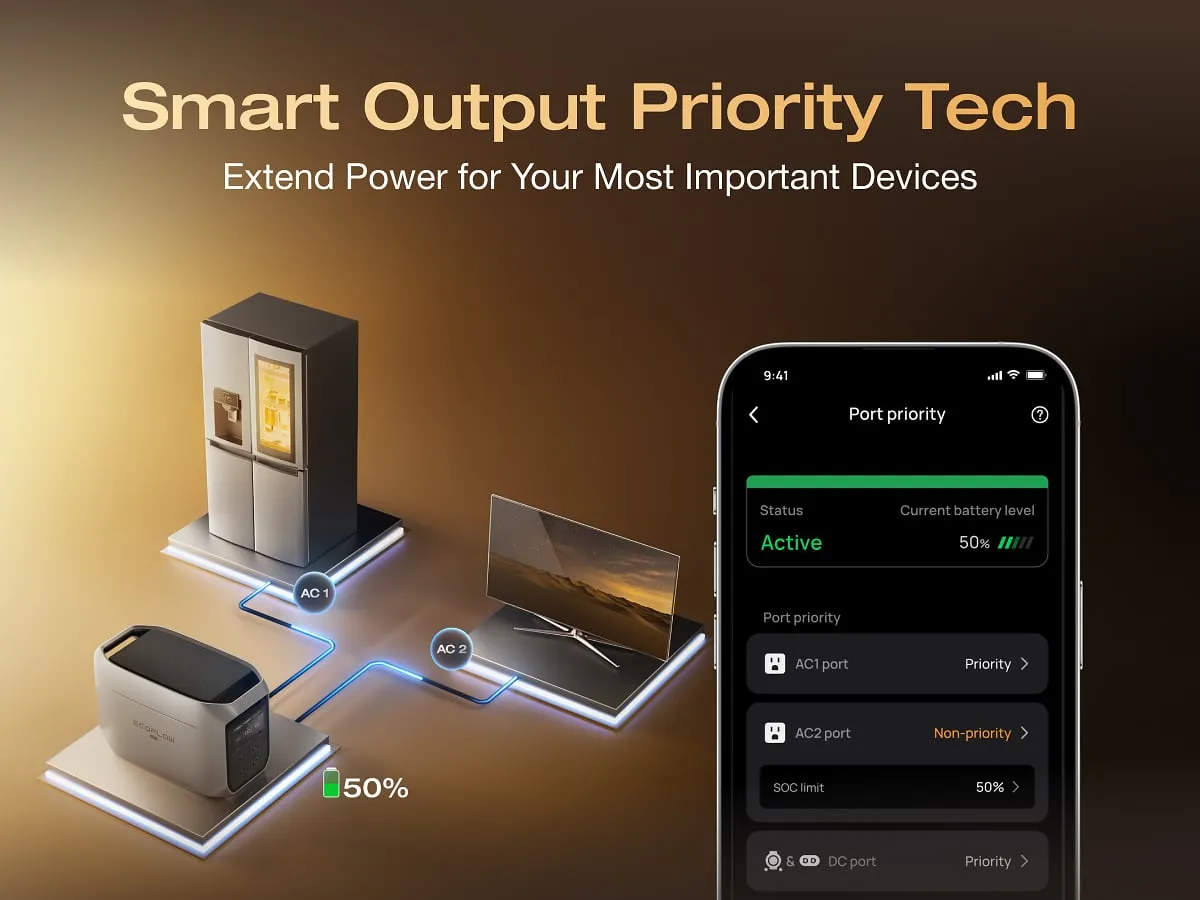
EcoFlow DELTA 3
Modern portable power stations using lithium iron phosphate (LiFePO4) deliver over 3,000 cycles to 80% capacity with high thermal stability and 1,800W continuous output, offering a plug-and-play alternative to hazardous DIY raw-cell assembly.
- Nominal capacity
- 1,024 Wh
- Continuous AC output
- 1,800 W
- Base-unit weight
- 27.6 lb
Source records checked on 2026-10-04. This is research, not hands-on testing. Read the manufacturer manual.
Compare usable energy, not amp-hours alone
Amp-hours are meaningful only with voltage. For energy comparison:
volts x amp-hours = watt-hours
Then check how much of that energy the manufacturer allows for the intended use. Usable capacity can change with discharge rate, temperature, age, inverter load, and programmed limits. A product’s warranty may also depend on operating within a specific state-of-charge window.
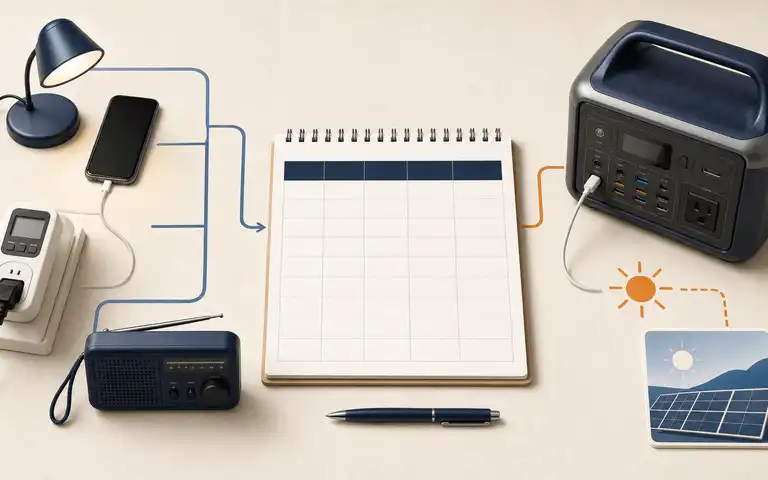
The Battery Runtime Calculator expects nameplate Wh and applies reserve and conversion-efficiency assumptions separately. Do not enter a documented usable AC-energy figure into that input and subtract those limits a second time. Check what each manufacturer’s usable-energy figure includes; use it in a separate manual estimate only when its stated conditions match the comparison. Plan your continuous and starting loads in advance using the printable Essential-Load Backup Power Worksheet.
Lead-acid: where it still fits
Lead-acid batteries remain common in engine starters, uninterruptible power supplies, and backup systems. They can fit when the equipment is designed for them, weight is acceptable, service is available, and the owner can follow the maintenance and ventilation requirements.
Flooded batteries can release hydrogen and oxygen during charging and contain liquid electrolyte. Follow the exact manual and applicable rules for ventilation, containment, access, charging, and personal protection. Sealed lead-acid batteries reduce routine watering needs, but they can still vent under some conditions and still need model-specific maintenance and charging limits.
Do not substitute a lithium battery into lead-acid equipment because the nominal voltage looks similar. Charger behavior, low-voltage cutoff, alternator or controller limits, and protective devices must be compatible.
NMC and LiFePO4: compare the pack, not the slogan
At the cell level, LFP has lower energy density than common metal-oxide cathodes such as NMC, while its cathode chemistry has greater thermal stability. Sandia describes these as application-level tradeoffs for grid storage; they do not establish a pack’s weight, protection, or safety. Product pages may advertise cycle life, but test depth, temperature, remaining capacity, and charge rate determine what the number means.
For a lithium pack, check:
- Pack-level certification or listing for the intended use
- BMS protections and what happens after a fault
- Allowed charging and discharging temperatures
- Storage instructions for short and long periods
- Maximum continuous and starting output
- Compatible charger, inverter, and expansion equipment
- Warranty throughput or cycle terms
- Recall history, service, and end-of-life path
A BMS is one protective layer. It does not make incompatible wiring, charging, placement, or home integration safe.
Temperature can change the decision
Cold and heat affect battery performance and aging. For lithium-ion cells, temperature affects cycle aging; low temperatures can contribute to lithium plating during charging, while higher temperatures accelerate calendar aging. Exact effects and charge limits differ by chemistry and product. Use the pack manual, not a chemistry-wide temperature chart, for charging, discharging, and storage limits and any approved heating or cutoff protection. Record the expected installation conditions and check whether the manual covers them; a garage, vehicle, cabin, and conditioned utility room can expose the same battery to very different conditions.
Stationary home storage requires system-level evidence
UL describes UL 9540 evaluation and certification at the complete-system level. Fire-testing evidence and local requirements may also apply. Ask the installer and local authority which listing, installation standard, capacity, location, spacing, and inspection requirements apply.
Do not assemble a home system by matching individual marketing specifications. Use the DIY Battery Backup Planning Guide to prepare the load brief, approval questions, and commissioning record.
Buying checklist
Before choosing a battery or complete system, collect:
- Exact model and revision
- Intended-use certification or listing
- Nominal and usable energy under stated conditions
- Continuous and starting output
- Charging sources and accepted input limits
- Operating, charging, and storage temperature limits
- Maintenance and long-storage instructions
- Warranty terms, service contact, and recall process
- Approved expansion path
- Recycling or disposal instructions
If a seller cannot provide the manual and warranty before purchase, treat that as a serviceability warning.
Choose the application before the chemistry
Choose the application before choosing a chemistry. If the battery will connect to household circuits, take the intended loads and installation location to the DIY Battery Backup Planning Guide before comparing individual products.
Primary sources
- NLR research record: Fundamentals of Energy Storage
- DOE/Sandia: Energy Storage Handbook, Chapter 3: Lithium-Ion Batteries
- DOE: Primer on Lead-Acid Storage Batteries
- Department of Energy: Solar and Storage Basics
- UL Solutions: Energy Storage System Testing and Certification
- UL Solutions: Energy Storage Installation Codes and Requirements
- CPSC: Product Recalls