Interactive checklist
Hurricane planning baseline
0 of 4 complete. Save status appears when this checklist starts.
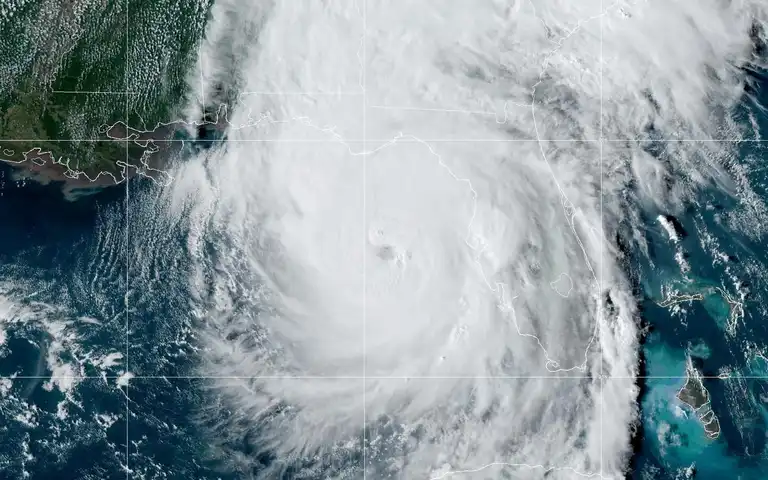
Hurricane planning has two branches: leave when officials or household needs make evacuation the safer choice, or shelter only when local guidance and the condition of the home support it. Supplies do not override an evacuation order.
Use National Hurricane Center advisories and the local Weather Forecast Office for official storm information; use the local emergency management office for zones, routes, shelters, curfews, and re-entry instructions. The National Weather Service’s hurricane resources explain the hazards, while this page turns local instructions into a household timeline.
Before hurricane season
- Look up the evacuation zone and save the official map.
- Drive or map more than one evacuation route.
- Identify accessible, pet-friendly, and medical-support destinations when needed.
- Review insurance with the insurer or licensed agent, including flood and wind coverage, deductibles, inventories, and waiting periods.
- Inspect shutters, impact protection, roof, drainage, trees, garage doors, and known maintenance issues.
- Arrange qualified work before a storm is forecast.
- Keep identification, policies, contacts, medical records, pet records, and a home inventory in protected copies.
The National Weather Service’s pre-storm checklist covers zone checks, supplies, family plans, insurance, and forecasts. Local building requirements and emergency instructions take priority for a specific property.
When a storm may affect the area
- Open the official forecast and read timing, hazards, uncertainty, and local instructions.
- Review medication supply and refill eligibility with the pharmacy or clinician.
- Charge phones, power banks, lights, and approved medical-device backups.
- Check water, familiar no-cook food, sanitation, pet supplies, and the grab-and-go layer.
- Fuel or charge the evacuation vehicle when conditions are safe.
- Tell the out-of-area contact the plan and next check-in time.
- Move or secure outdoor objects before wind makes the task dangerous.
Do not wait for a specific forecast category to prepare. Wind, storm surge, rain, tornadoes, power loss, and access limits can extend beyond the center track.
The hurricane category guide gives the five wind bands and a separate local-hazard check so the wind rating does not substitute for surge, flood, tornado or evacuation information.
Evacuation checklist
- Leave when ordered and consider leaving earlier when medical, mobility, transport, pet, or housing needs require more time.
- Take medication, identification, contacts, water, food, clothing, phone power, and essential equipment.
- Follow official routes and road restrictions.
- Tell the out-of-area contact when the household leaves and arrives.
- Never drive through floodwater or around barriers.
- Do not return until officials permit it.
The Emergency Communication Plan and Senior Emergency Preparedness Guide cover support needs in more detail.
Water, food, and the kit
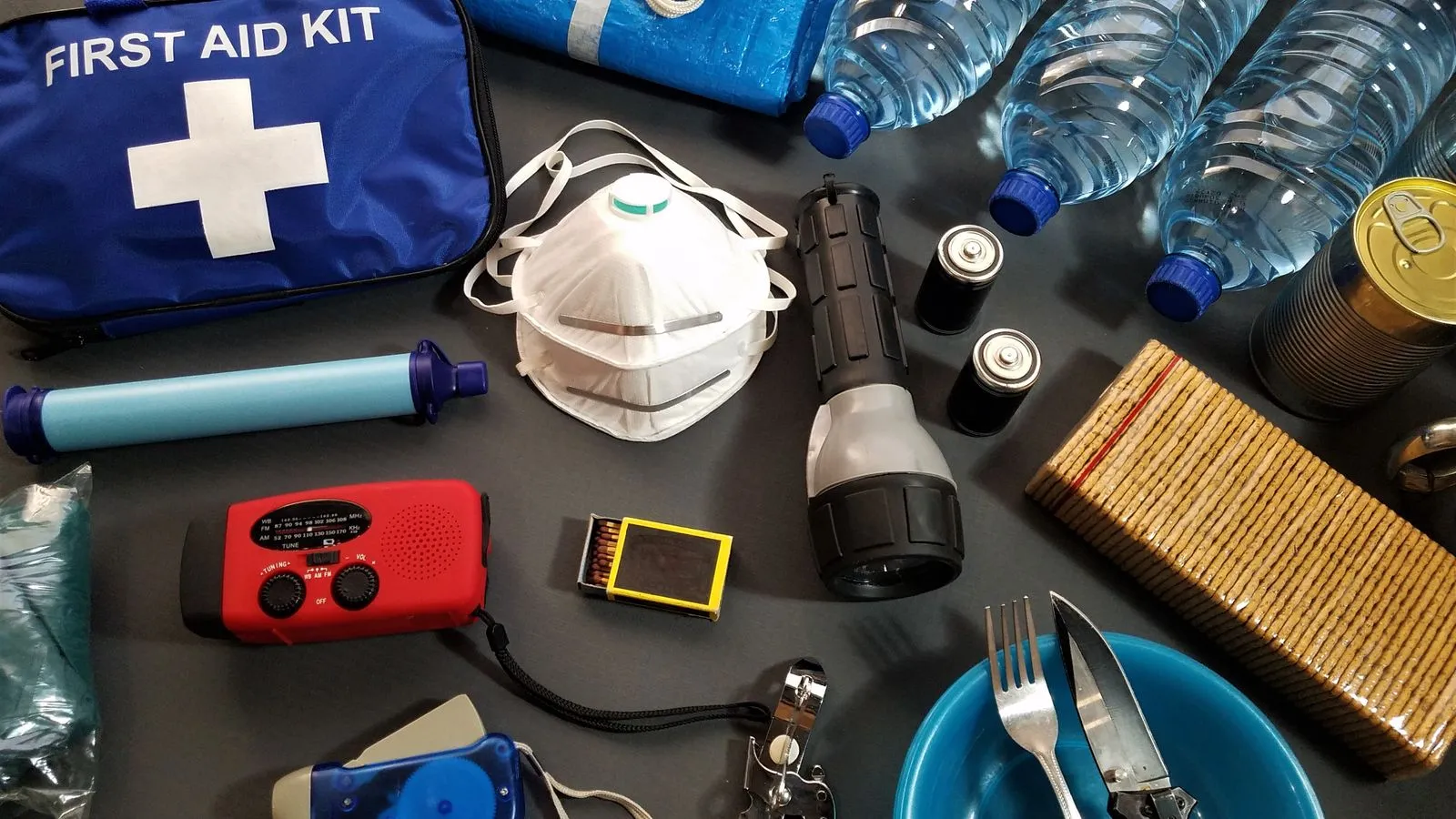
Use the Home Emergency Kit Guide to build an adaptable supply list, and follow CDC emergency-water guidance. Plan for clean food-grade water containers, familiar shelf-stable food, a manual can opener, medication information, light, communication, sanitation supplies, and pet needs. Do not treat pools, floodwater, rain barrels, or untreated surface water as ready-to-drink sources.
During an outage, keep refrigerator and freezer doors closed and use the FoodSafety.gov power-outage chart for item-specific time and temperature decisions.
Paid links — we may earn a commission. As an Amazon Associate I earn from qualifying purchases.
 Check price at Amazon
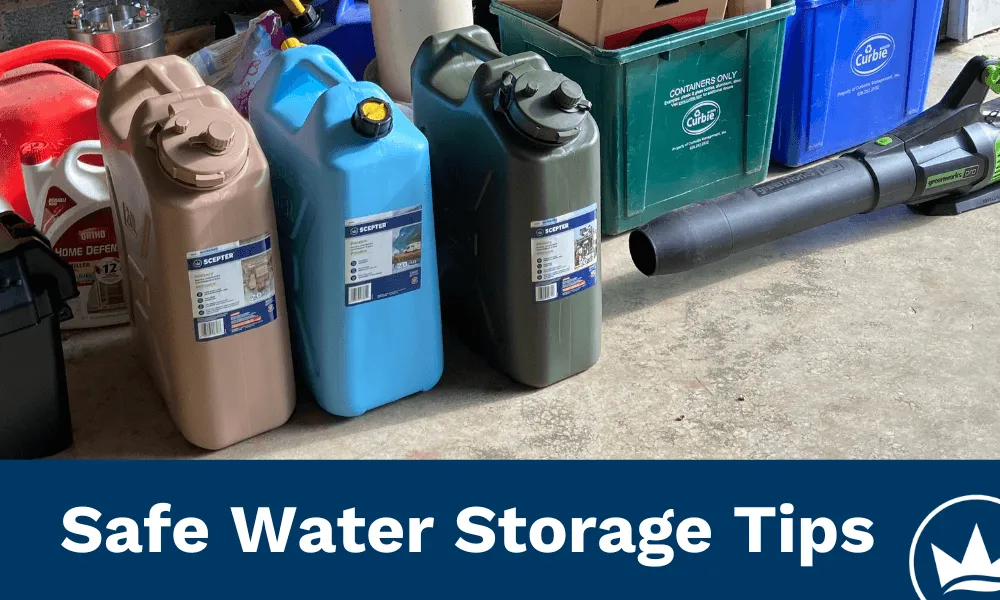
Scepter Flow Control Water Can (WCG501)
Scepter lists the WCG501 as a 5-gallon, food-grade, BPA-free container with adjustable flow control. Check the exact product instructions, full-container handling weight, and your transport plan; its product page gives no loaded vehicle-restraint rating.
- Listed water capacity
- 5 US gal
- Empty container weight
- Not verified in this source record
- Stacking when filled
- Not verified in this source record
Source records checked on 2026-10-22. This is research, not hands-on testing. Manufacturer source.
Home protection limits
Install shutters, panels, anchors, or other protective systems only as designed and before dangerous conditions begin. Do not climb ladders, handle large panels, trim trees, or work near utilities as winds increase.
Sandbags and temporary barriers have limited uses and do not make an evacuation-zone home safe from storm surge. Follow local flood guidance. Shut off utilities only when officials, the utility, or the home’s emergency plan directs it and the task can be done safely.
Backup power and carbon monoxide
Prioritize essential household needs, then follow the generator safety guide if a generator is part of the plan. For indoor battery power during storm bands when outdoor generator operation is unsafe, compare 1 kWh portable power station options in EcoFlow DELTA 3 vs. BLUETTI Elite 100 V2. A planning worksheet does not approve wiring, a transfer method, or generator placement.
Paid links — we may earn a commission. As an Amazon Associate I earn from qualifying purchases.
 Check price at Amazon
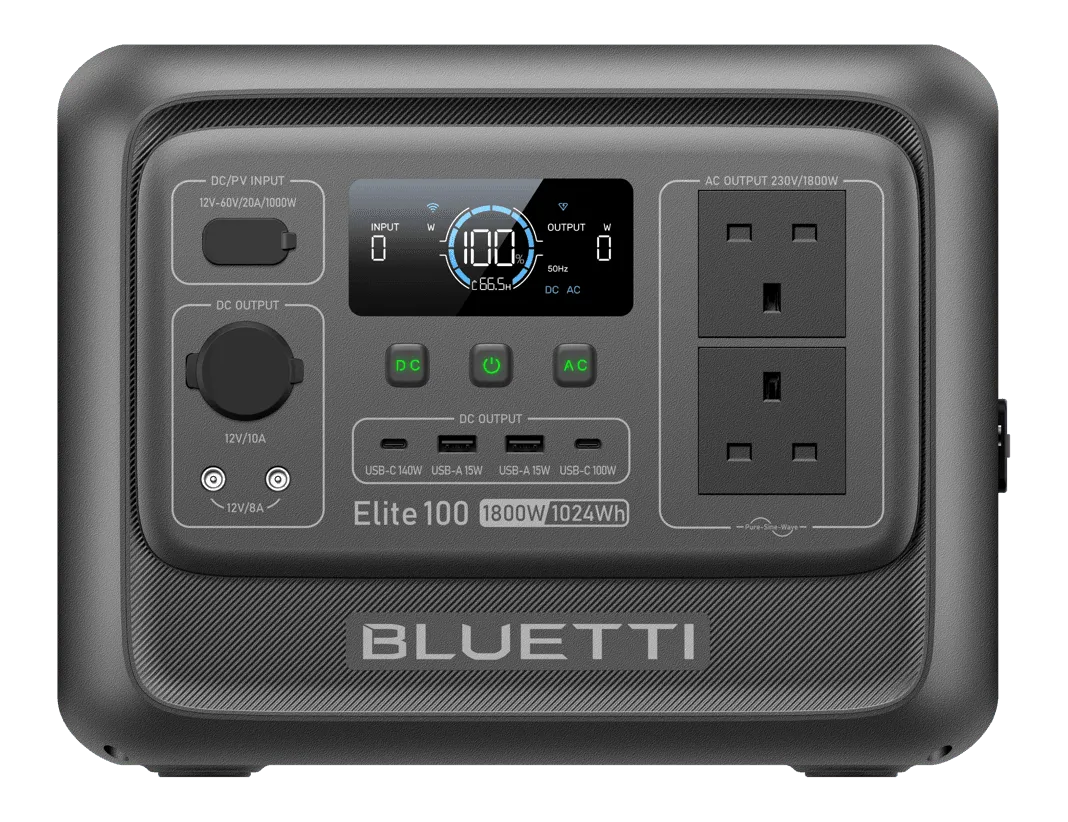
BLUETTI Elite 100 V2
Manufacturer ratings do not establish refrigerator compatibility or runtime: verify exact starting and running demand, usable energy, reserve, and the current manual. Its listed maximum solar input is a rating, not an expected recharge rate during storm weather.
- Nominal capacity
- 1,024 Wh
- Continuous AC output
- 1,800 W
- Base-unit weight
- 25.3 lb
Source records checked on 2026-10-22. This is research, not hands-on testing. Read the manufacturer manual.
The CDC generator safety guidance says to operate generators outdoors and more than 20 feet from windows, doors, and vents, and to use working battery-powered or battery-backup CO alarms. Never use one in a home, garage, basement, crawl space, shed, or enclosed porch. Do not power household wiring by plugging a generator into a wall receptacle: CPSC warns that backfeeding can electrocute utility workers and neighbors. Before refueling, shut the generator off and let it cool, as CPSC advises; then follow the exact model manual.
After the storm
Follow the National Weather Service’s post-hurricane guidance and wait for officials to say it is safe before returning.
- Wait for official re-entry clearance.
- Avoid floodwater, downed lines, damaged trees, unstable structures, and generator exhaust.
- Photograph damage from a safe location before cleanup when possible.
- Do not enter a building with structural, electrical, gas, fire, or flood hazards.
- Follow local drinking-water and food-safety notices.
- Use qualified professionals for roof, electrical, gas, structural, and major water damage.
- Record what the plan missed and restock used supplies.
Keep the evacuation destination, transport plan, and remaining gaps on a private paper plan. Use the Outage Readiness Planner to review its fixed outage choices and suggested actions.
Questions about timing and evacuation
Should I prepare for three days or two weeks?
Start with a maintained short-duration layer and extend it as storage, budget, local guidance, and household needs allow. Evacuation zones, islands, medical needs, pets, and restoration conditions can change the useful duration. A longer supply never cancels an evacuation order.
Should I wait for a hurricane category before leaving?
No. Follow official evacuation instructions and household-specific triggers. Storm surge, rain, tornadoes, access limits, and medical or mobility needs may drive the decision before a category headline does.
Can plywood or sandbags make sheltering safe?
They have limited, property-specific uses. They do not make every structure safe from wind, flood, or storm surge. Follow local building, flood, and evacuation guidance and complete approved work before conditions worsen.