50 Emergency Supplies to Consider for Home Preparedness
A practical, brand-neutral checklist for water, food, medication, light, communication, sanitation, documents, tools, evacuation, and household needs.
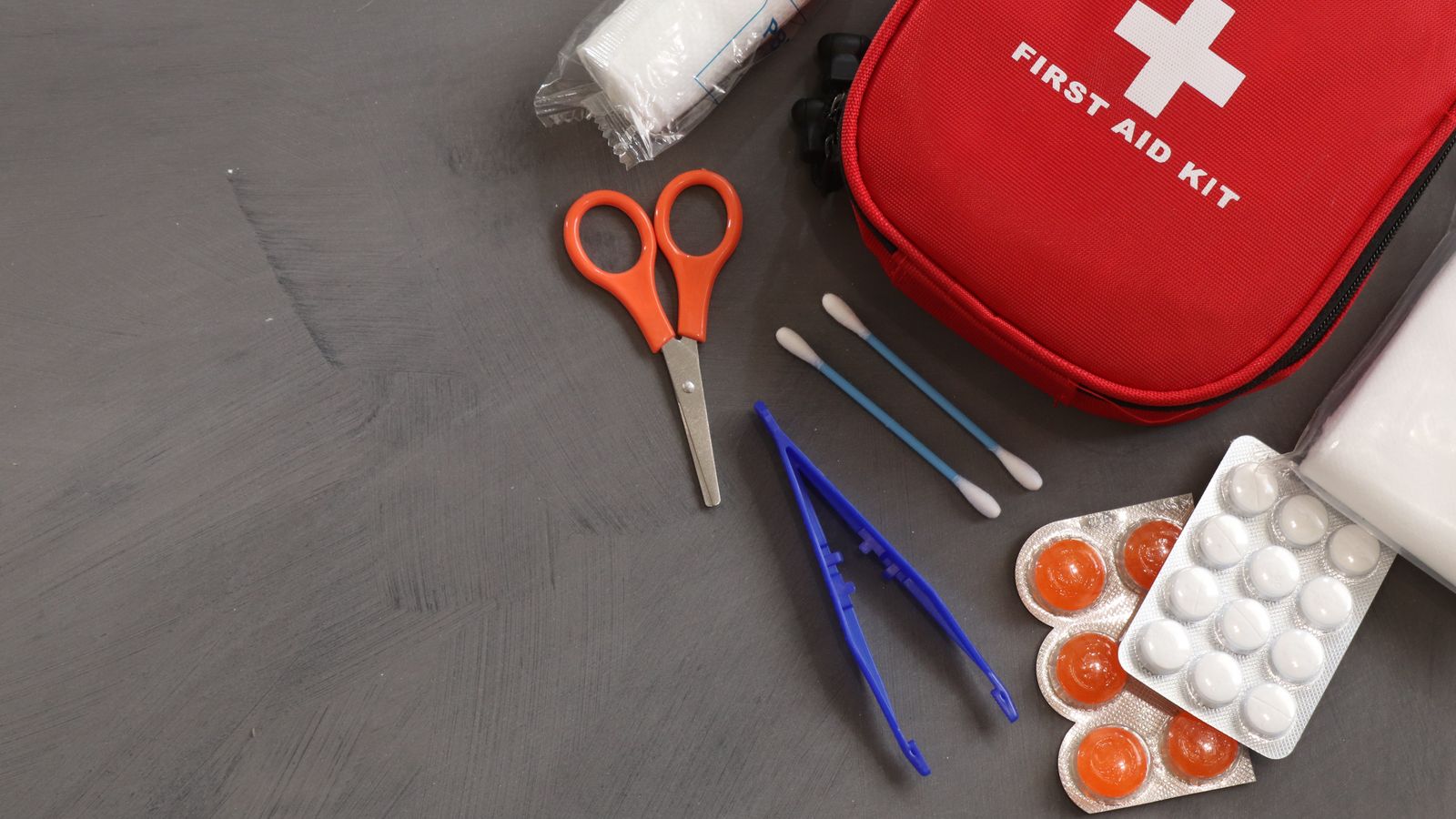
This list is brand neutral because an emergency supply is useful only when it fits the household, works with the rest of the plan, and can be maintained. Use it after the Home Emergency Kit Guide to fill a documented gap—not as a ranking or a reason to buy 50 new products.
Start with Ready.gov emergency kit guidance. Use the Home Resilience Guide to connect supplies to household decisions.
Mark the gap before shopping
Use the list as prompts for a five-column gap sheet. One completed row is more useful than a cart full of unassigned equipment.
| Needed job | Already covered? | Missing item or action | Storage location and owner | Test or replace date |
|---|---|---|---|---|
| Dispense stored water without contamination | ||||
| Receive an official alert without home internet | ||||
| Light the exit route without a flame | ||||
| Carry medication and current instructions | ||||
| Reach the agreed destination and check in |
Delete a row when the household does not need it. Add a product only when its job, owner, location, test, and maintenance date are clear. Save the resulting actions in My Household Plan.
Water and food
- Food-grade water containers in sizes the household can lift
- Stored potable water labeled with the fill date
- A clean pouring or dispensing method
- Familiar no-cook meals
- Shelf-stable snacks suited to allergies and dietary needs
- A manual can opener when needed
- Pet food and a separate pet-water amount
- Infant feeding supplies when applicable
- A refrigerator and freezer thermometer
- A written food and water rotation date
Estimate water and food from household size, the planning period, familiar meals, and any care needs. The CDC emergency water guide explains containers and treatment limits.
Medication, first aid, and care
- A current medication and allergy list
- Pharmacy, clinician, and equipment-provider contacts
- Prescription medicines obtained through the normal medical process
- Glasses, hearing-aid batteries, and mobility supplies
- A basic first-aid kit containing items the household knows how to use
- Disposable gloves
- A thermometer
- Copies of care instructions for powered or refrigerated medical needs
- Menstrual and personal-care supplies
- Comfort or communication items for children and adults who need them
Ask a pharmacist or clinician about medication storage, refills, and medical-device backup. A retail kit does not replace medical advice or training.
Light, information, and phone power
- A headlamp or flashlight for each person who needs one
- Spare batteries in the correct size
- A charged phone power bank
- Charging cables labeled for household devices
- A battery radio when it fits local alert guidance
- Printed household and emergency contacts
- A local paper map
- A whistle for signaling when appropriate
- A waterproof notebook and pencil
- Battery-backed smoke and carbon monoxide alarms maintained to their manuals
The Emergency Communication Plan explains phone, radio, and paper layers.
Sanitation, shelter, and clothing
- Soap and hand sanitizer
- Toilet paper
- Sturdy waste bags
- Household disinfectant used according to its label
- Work gloves
- Weather-appropriate layers
- Blankets or sleeping bags appropriate to the climate
- Sturdy closed-toe shoes
- Dust masks or respirators selected for a specific hazard and fitted as required
- A change of clothing in the evacuation layer
Do not add candles, homemade burners, or indoor cooking fuel as default supplies. Read Indoor Heating Safety before choosing backup heat.
Documents, tools, and evacuation
- Copies of identification and insurance records
- Medical, school, pet, and household contact records
- Cash in an amount the household can store securely
- Physical keys for doors, gates, and vehicles
- A multipurpose hand tool the household can use safely
- A wrench or tool specifically required by the home’s utility plan
- A fire extinguisher selected and maintained for the location
- Pet carriers, leashes, and identification
- A light, manageable grab-and-go bag
- A written destination, route, and check-in plan
Do not use unfamiliar electrical, fuel, water-treatment, or medical equipment for the first time during an emergency. Local code and qualified professionals govern utility work and permanent installations.
How to choose between products
Compare the job, rated capacity, certification, manual, warranty, replacement parts, storage limits, and maintenance schedule. For a powered item, calculate the actual load and runtime rather than trusting a marketing headline. For a filter, check what contaminants it is certified to reduce and what it cannot treat.
Avoid rankings that do not disclose how products were compared. Price, model, subscription, and availability change. Buy the smallest reliable system that solves a documented household need.
Read the backup power systems guide before purchasing equipment. Cold-weather supplies belong in a separate home, vehicle, and evacuation review rather than being added to every household list.
Questions about choosing supplies
Which emergency supplies should I get first?
Begin with potable water, familiar no-cook food, essential medication information, light, phone power, printed contacts, sanitation supplies, working alarms, and a destination plan. These cover more common household failures than specialty tactical or camping gear.
Is a pre-made emergency kit enough?
Usually not by itself. A pre-made kit cannot know household medication, food allergies, clothing sizes, pets, accessibility, local hazards, or evacuation routes. Use it only as a component after checking every item and expiration date.
How should I compare a filter or battery?
For a filter, check the independent certification and the exact contaminants covered. For a battery, compare usable energy, continuous and starting output, charging input, temperature limits, warranty, and the manuals for the devices it will power.
Once you have marked only the items your household needs, weigh the actual kit and test whether it can be moved.
Keep this guide handy
Copy the page address to save it or send it to someone in your household.