2-Week Emergency Menu Plan: Shelf-Stable Meals People Will Eat
Create a realistic 14-day emergency menu with no-cook backups, low-fuel meals, a consolidated shopping list, water checks, and household adjustments.
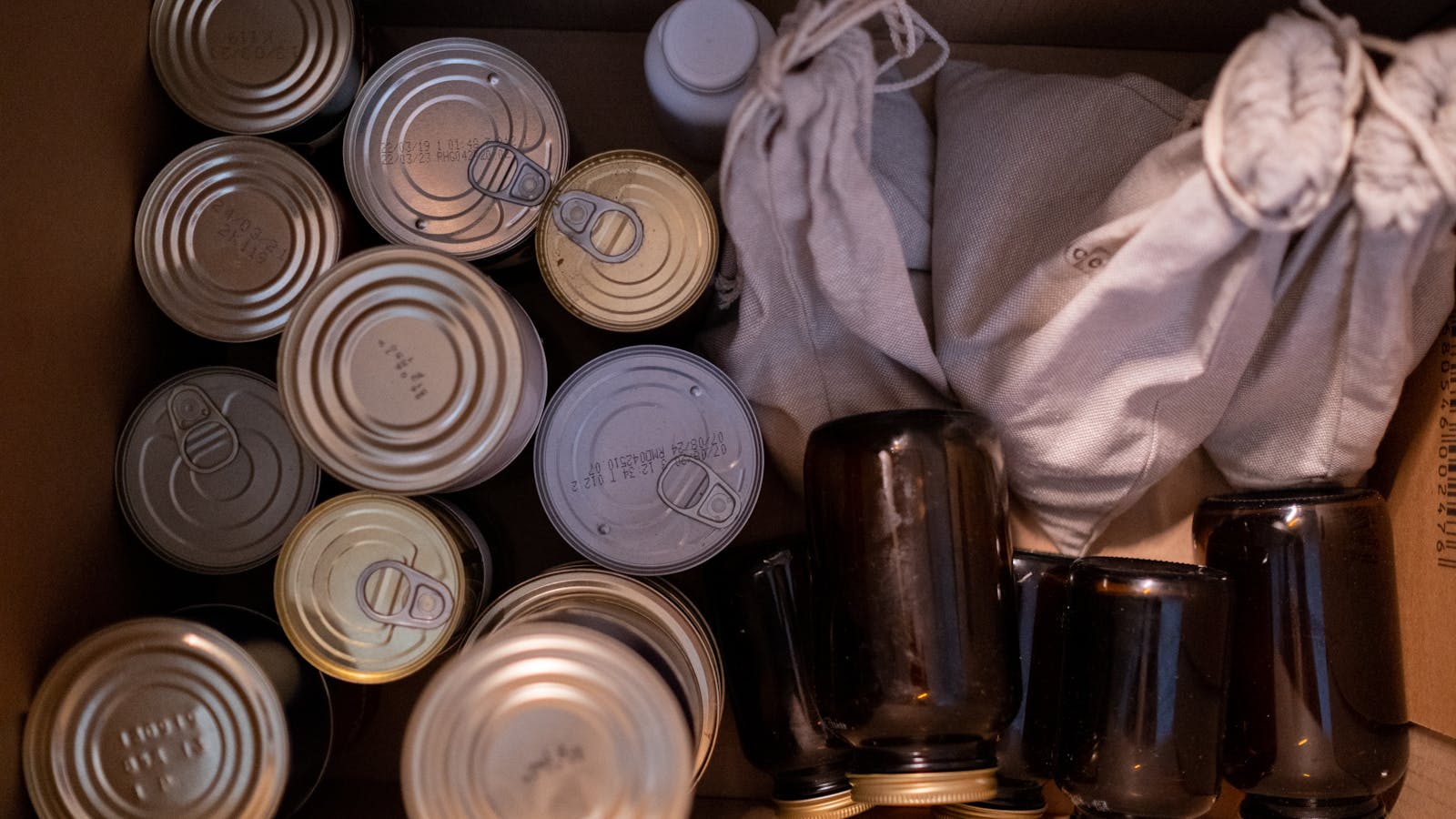
A two-week food supply becomes useful only when it can produce two weeks of meals. This plan starts with familiar groceries, reserves the first three days for no-cook or minimal-preparation food, and adds low-fuel meals for the rest of the period.
Start with the food storage calculator for a quantity estimate. Then use the steps below to turn that estimate into a menu that fits your household. For the broader storage system, begin with emergency food storage basics.
Set the planning rules first
Write down four constraints before choosing meals:
- People: ages, appetites, allergies, medical diets, and foods people reliably accept.
- Utilities: whether refrigeration, electric appliances, tap water, or the normal stove may be unavailable.
- Equipment: manual can opener, pot, utensils, safe outdoor cooking equipment, and a food thermometer where needed.
- Water: drinking water plus the water required by every meal.
FoodSafety.gov recommends at least a three-day supply of foods with a long storage life that require little or no cooking, water, or refrigeration. It also advises accounting for special diets and pets. Expanding that practical baseline to 14 days is more reliable than filling shelves first and inventing meals later.
Use this 14-day menu framework
This is a template, not a prescription. Choose package sizes that fit the number of people eating so an outage does not create unsafe leftovers.
Days 1 to 3: no-cook priority
| Meal | Template | Check before storing |
|---|---|---|
| Breakfast | ready-to-eat cereal, shelf-stable milk, fruit cup | milk size, allergens |
| Lunch | canned beans or fish, crackers, fruit | manual opener, sodium |
| Dinner | ready-to-eat grain pouch, canned vegetables, shelf-stable protein | package can be eaten cold |
| Snack | nut or seed butter, dried fruit, snack bar | choking and allergy risks |
Repeat or swap these combinations with foods your household already uses. If a package says it must be refrigerated after opening, plan to finish it at one meal or choose a smaller package.
Days 4 to 7: add hot-water meals
Use foods that need only a short heating period:
- quick oats with dried fruit
- couscous with canned chickpeas and vegetables
- soup with crackers and shelf-stable fruit
- ready rice with canned beans and salsa
- instant noodles supplemented with lower-sodium protein and vegetables
Record the water required by each package. Water used to cook or rehydrate food comes from the same safe supply needed for drinking and hygiene.
Days 8 to 14: rotate familiar combinations
Create a second week from the same pantry categories:
- Breakfasts: oats, cereal, shelf-stable breakfast bars, or crackers with nut or seed butter
- Lunches: bean salad, fish and crackers, soup, or ready grains with canned vegetables
- Dinners: pasta and sauce, chili, lentil soup, bean and rice bowls, or shelf-stable meal pouches
- Sides and snacks: canned fruit, applesauce, dried fruit, nuts, seeds, or shelf-stable pudding
Repetition is acceptable. A dependable menu with seven breakfasts and seven dinners repeated once is easier to buy, label, and rotate than 42 unrelated recipes.
One seven-day pattern to repeat once
Use this as a replaceable example, not a portion prescription. N means no cooking, H means hot water only, and B means brief outdoor heating with equipment approved for the location and conditions.
| Day | Breakfast | Lunch | Dinner | Preparation check |
|---|---|---|---|---|
| 1 | cereal, shelf-stable milk, fruit | beans, crackers, fruit | ready grain, vegetables, fish or poultry | N; finish opened packages |
| 2 | breakfast bar, seed or nut butter, fruit | fish or bean pouch, crackers, vegetables | shelf-stable meal pouch, fruit | N; verify allergens |
| 3 | cereal, shelf-stable milk, applesauce | bean salad, crackers | ready rice, beans, salsa | N; manual opener ready |
| 4 | quick oats, dried fruit | soup, crackers, fruit | couscous, chickpeas, vegetables | H; total package water |
| 5 | cereal, fruit, seed or nut butter | ready grain and bean bowl | pasta, sauce, shelf-stable protein | B; count fuel and pot water |
| 6 | quick oats, shelf-stable milk | fish or bean salad, crackers | soup, ready grain, vegetables | H or B; avoid leftovers |
| 7 | breakfast bar, fruit, seed or nut butter | beans, crackers, fruit | chili, ready rice, vegetables | N or B; note accepted portions |
Repeat the pattern for days 8 through 14, then make substitutions by function: one shelf-stable protein for another, one ready grain for another, and one fruit or vegetable for another. Keep preparation type, allergens, package size, and water demand the same or better. This prevents a “simple swap” from quietly adding a long cooking session or an unsafe leftover.
Build the shopping list by function
After the menu is complete, total the ingredients into five groups.
Ready-to-eat meals
Stock enough complete no-cook combinations for at least the first three days. A can of beans is an ingredient, not a complete plan, unless the menu identifies what accompanies it and how it will be served.
Staple carbohydrates
Choose quick-cooking grains, crackers, tortillas with an appropriate shelf life, cereal, oats, pasta, or ready-to-eat grain pouches. Compare preparation water and cooking time, not just the amount in the package.
Protein and fats
Options include beans, lentils, canned fish or poultry, nut or seed butter, shelf-stable dairy alternatives, and complete packaged meals. Read labels for allergens, sodium, and serving size.
Fruits and vegetables
Use a mix of canned, dried, or shelf-stable packaged produce that your household eats. Choose can and pouch sizes that minimize leftovers when refrigeration is not available.
Flavor and comfort
Small amounts of familiar condiments, drink mixes, tea, coffee, or comfort foods can make a repetitive menu easier to use. Do not let optional items displace safe water or complete meals.
Consolidate the inventory before shopping
Count menu appearances rather than estimating from shelf space. For each line, multiply the packages used per meal by the number of times that meal appears, then add only a modest replacement margin that the household will rotate.
| Menu item | Packages per meal | Menu appearances | Total packages | Water per package | Total preparation water |
|---|---|---|---|---|---|
| ready grain | label and portion check | count from menu | multiply | label | multiply |
| canned or pouched protein | label and portion check | count from menu | multiply | none or label | multiply |
| quick-cooking staple | recipe check | count from menu | multiply | directions | multiply |
Combine identical ingredients after the math, not before. Keep allergen-safe or medically required food clearly separated and labeled. The result is the shopping list; the calorie estimate remains a rough inventory check rather than an individualized meal prescription.
Run the water and fuel audit
The CDC emergency water baseline is at least one gallon per person per day for three days, with a two-week supply encouraged when possible. Include that baseline and any special household needs in the water plan.
Now total the water printed in your recipes and package directions. If the menu consumes too much of the drinking supply, replace some dry meals with ready-to-eat alternatives.
Next, count cooking sessions. Consolidate compatible foods into one safe outdoor cooking session where practical. Never use camp stoves or charcoal grills indoors, in a garage, or near openings. Review off-grid cooking safety before relying on an alternate stove.
Adjust for real households
Children and older adults
Plan familiar textures and package sizes. Include utensils and any feeding supports normally required. Avoid introducing unfamiliar emergency-only food during the event.
Medical and allergy needs
Store a clearly separated supply when cross-contact is a concern. Keep original labels so ingredients, allergens, and preparation directions remain available. Ask a clinician about medical diets rather than using a generic menu unchanged.
Infants
Infant feeding during emergencies requires current health guidance and safe water. Follow the CDC infant and young child feeding emergency resources and the product instructions for formula. Do not dilute formula to make it last longer.
Pets
Add pet food, water, a manual opener if cans are used, bowls, medicines, and cleanup supplies. Avoid abruptly changing a pet’s diet if you can rotate the stored food normally.
Test one complete day
Before buying the second week, run a one-day pantry test:
- turn off normal cooking appliances for the exercise
- use only the planned utensils and opening tools
- measure preparation water
- note portions, leftovers, and cleanup water
- ask each person what they would willingly eat again
Correct the plan from the test. A meal that takes too long, creates an unsafe leftover, or is rejected by the household should not be multiplied across 14 days.
Store the menu with the food
Print the 14-day schedule and place it in a waterproof sleeve near the pantry. On the back, list the water total, cooking method, allergy notes, and substitutions. Arrange foods by use-first date and work them into ordinary meals before package quality declines.
Before buying the second week, print the menu, total the preparation water, and complete the one-day pantry test. Fix the first meal that fails on opening, water, fuel, leftovers, or household acceptance.
Primary safety sources
Keep this guide handy
Copy the page address to save it or send it to someone in your household.