A small insect in a kitchen is not automatically a pantry pest. Sort the finding by its connection to stored food, compare a few source-linked examples, and choose a useful next step.
Emergency food and cooking guides
Build, rotate, and use an emergency food supply around familiar meals, safe storage, preparation water, cooking limits, and realistic menu planning.

Inspect dry foods and nearby stored goods, remove infested packages, vacuum cabinet seams, and prevent a second infestation without spraying food shelves.
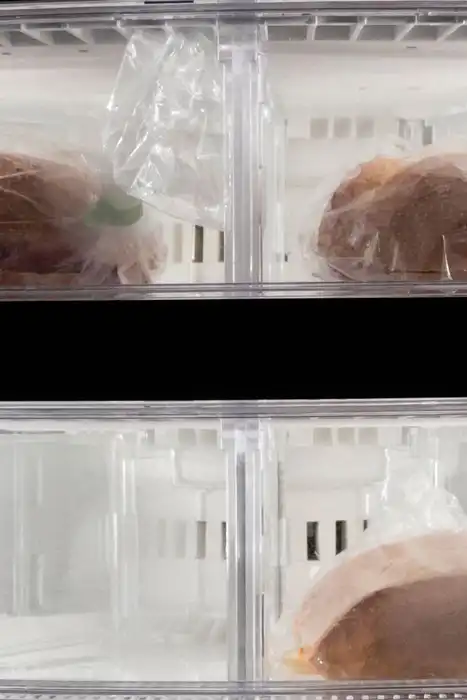
A refreezing decision table for food thawed in the refrigerator, cold water, microwave, or a freezer that warmed during an outage.
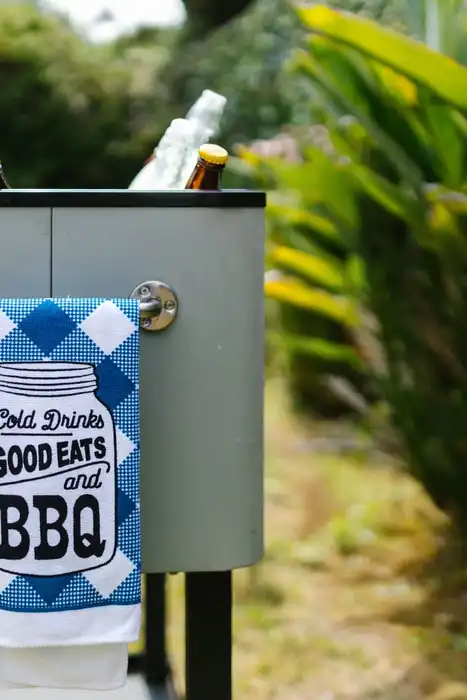
Plan cold sources, separate drinks from perishables, pack a thermometer, and decide what to do if transported food rises above safe refrigerator temperature.
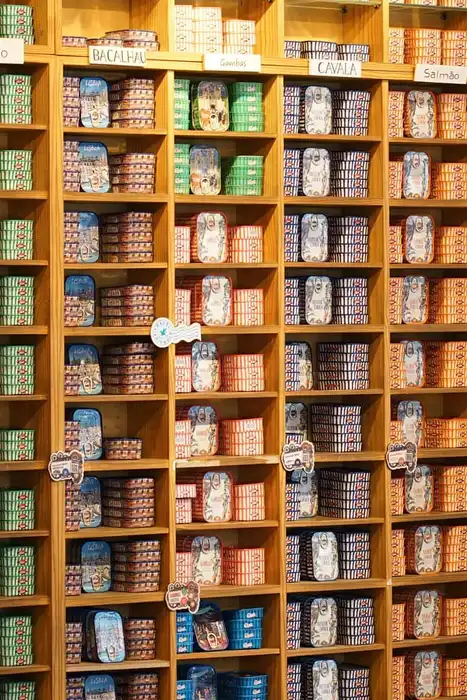
Use can shape, seam damage, swelling, leakage, and rust depth to decide whether a commercial can is intact enough to keep. Never taste food from a suspect container.

Use a stirred ice-water slurry to check many food thermometers, then follow the exact model instructions to adjust, replace, or use a thermometer that cannot be calibrated.