In this guideJump to a section
- Start with people, not products
- Build in three useful layers
- Plan water at the same time
- Match every meal to a safe cooking method
- Store for access, inspection, and rotation
- Keep cold food safe during an outage
- A one-week setup plan
- The pantry is ready when it works as a system
- Primary safety sources
When the power is out at dinner, a shelf full of ingredients is not the same as a meal. The useful test is whether someone can open, prepare, and eat familiar food without refrigeration, normal cooking, or a second shopping trip.
Build the first layer from three no-cook days, then expand toward two weeks. FoodSafety.gov recommends at least a three-day emergency food supply, with foods that store well and require little or no cooking, water, or refrigeration. Use the calculator for a starting quantity, test one meal, and fix the missing opener, water, fuel, or storage before buying deeper supplies.
Start with people, not products
Write down who the pantry must support before making a shopping list:
- adults and children who may be home during an outage
- infants, older adults, or anyone with medical nutrition needs
- food allergies, intolerances, religious requirements, and strong dislikes
- pets and their food, water, medicines, and serving tools
- the cooking methods that remain safe when electricity or gas is unavailable
If someone follows a medically restricted diet, ask their clinician or registered dietitian what belongs in an emergency supply. Do not assume a generic high-sodium survival meal is appropriate.
Next, turn that starting quantity into actual meals. A calorie total alone does not tell you whether the pantry can produce breakfasts, lunches, dinners, and snacks with the equipment and water you will have.
Build in three useful layers
Layer 1: three no-cook days
The first three days should work without refrigeration and, as much as possible, without heat. Good candidates include foods your household already eats, such as canned beans or fish, nut or seed butter, crackers, ready-to-eat grains, shelf-stable milk, fruit packed in juice, and single-serving foods that limit leftovers.
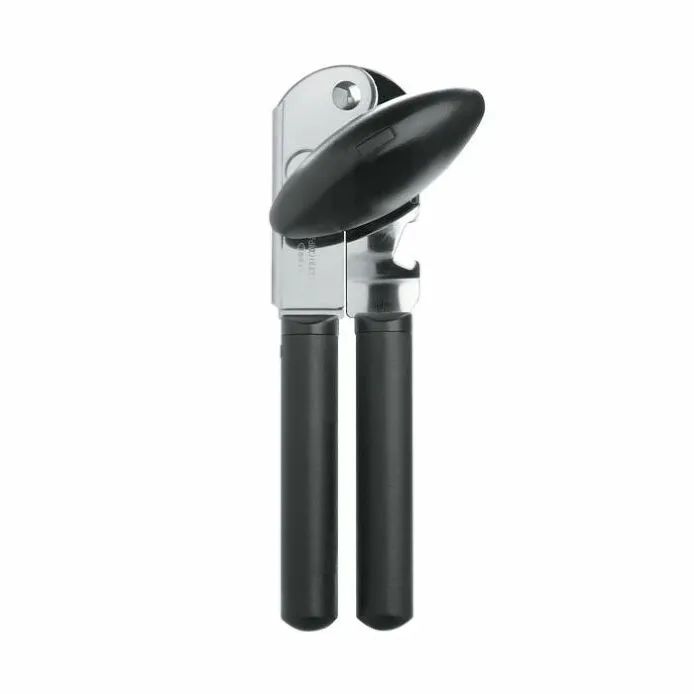
Choose pull-tab cans where practical, but keep at least one manual can opener with the pantry. Include disposable plates only if water for washing dishes is likely to be limited, and account for the added waste.
Paid links — we may earn a commission. As an Amazon Associate I earn from qualifying purchases.
 Check price at Amazon
OXO Good Grips Soft-Handled Can Opener (SKU 28081)
Storing a manual stainless-steel can opener directly inside the Layer 1 no-cook bin prevents canned proteins, beans, and fruit from becoming inaccessible when electric openers lose power.
- Opening method
- Manual rotary can opener with large cushioned handles and an oversized turning knob.
- Listed dimensions
- 7 × 2 × 3 in
- Manufacturer care instructions
- Hand wash the can opener.
Source records checked on 2026-10-04. This is research, not hands-on testing. Manufacturer source.
Layer 2: a two-week menu
Once the no-cook layer works, add low-fuel meals. Pasta with jarred sauce, couscous with canned vegetables, oatmeal, soup, beans with ready rice, and similar combinations can be planned from ordinary groceries. The goal is not endless variety. It is a repeatable menu with enough variation that people can continue eating it under stress.
Use the two-week emergency menu plan to convert pantry items into 14 days of meals and a consolidated shopping list.
Layer 3: deeper storage
If the plan includes a dedicated freezer, compare chest and upright layouts for opening space and food access. Check the separate manual-defrost versus frost-free choice for the upkeep the exact model will require.
Only after the first two layers are complete should you consider bulk staples, home preservation, or specialty freeze-dried food. These methods add packaging, preparation, fuel, and water requirements. They can be useful, but they should strengthen a working pantry instead of replacing one.
For dry staples, follow the long-term food storage methods guide. If you preserve food at home, start with the safety rules in DIY emergency food preservation. If you are comparing freeze-dried meals, use the freeze-dried meal label checklist instead of relying on a brand name or a marketing shelf-life claim.
Plan water at the same time
Food and water cannot be planned separately. Dry foods need water for cooking, some specialty meals need water for rehydration, and salty foods may be a poor fit when drinking water is constrained.
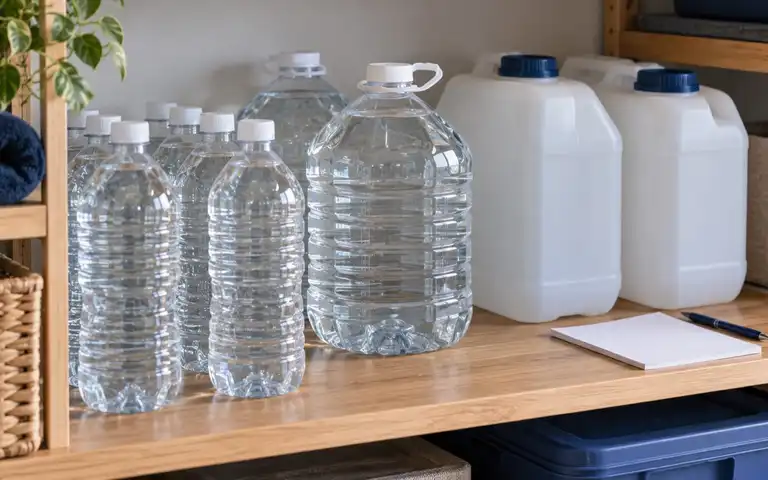
The CDC recommends storing at least one gallon per person per day for three days and trying for a two-week supply when possible. That baseline covers drinking, cooking, brushing teeth, and other uses. Pregnant people, people who are sick, pets, hot climates, and other circumstances can require more.
Estimate a household water baseline, then choose containers using the water storage container guide and maintain self-filled water using the water storage safety guide.
Paid links — we may earn a commission. As an Amazon Associate I earn from qualifying purchases.
 Check price at Amazon
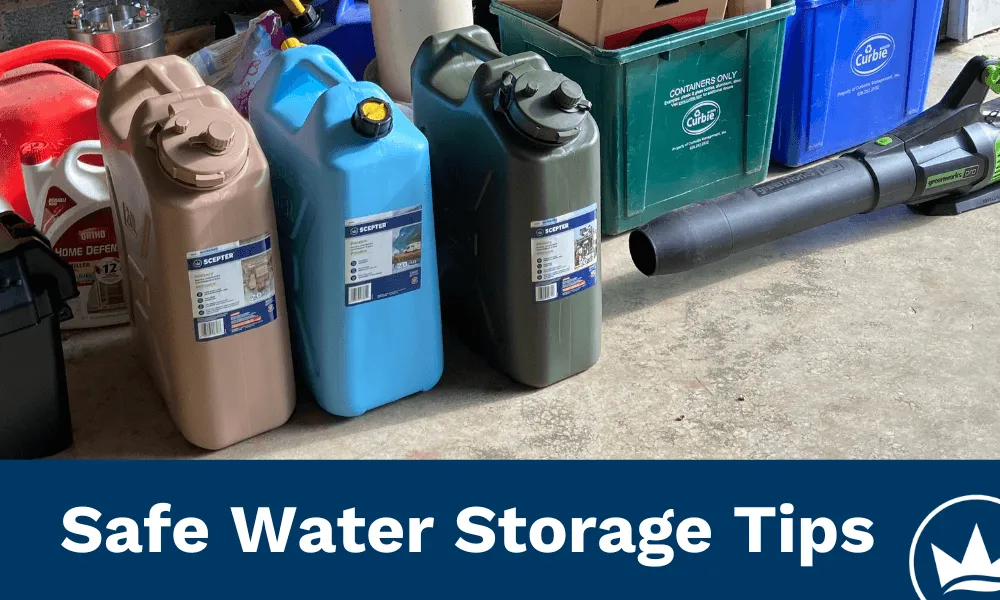
Scepter Flow Control Water Can (WCG501)
Pairing your no-cook food shelf with a dedicated 5-gallon BPA-free container ensures drinking, handwashing, and oat/rice rehydration water are stored together with a built-in dispensing spout.
- Listed water capacity
- 5 US gal
- Empty container weight
- Not verified in this source record
- Stacking when filled
- Not verified in this source record
Source records checked on 2026-10-22. This is research, not hands-on testing. Manufacturer source.
Do not count water from a questionable source as ready-to-drink inventory. During an advisory or suspected contamination event, follow local health department instructions. Boiling or disinfecting cannot remove fuel, toxic chemicals, or radioactive material.
Match every meal to a safe cooking method
For each planned meal, mark it as:
- ready to eat
- needs hot water only
- needs brief cooking
- needs extended cooking
- depends on refrigeration
This simple label exposes hidden fuel and water demand. A pantry built around dry beans and long-cooking grains may contain many calories but still fail during a short outage.
Fuel-burning camp stoves, charcoal grills, and generators are not indoor kitchen substitutes. The CDC says never to use a portable gas camp stove indoors. Generators belong outdoors, more than 20 feet from windows, doors, and vents. Review the off-grid cooking gear and safety plan before buying equipment.
Store for access, inspection, and rotation
Choose a cool, dry location away from sunlight, pests, moisture, household chemicals, and temperature extremes. Follow the storage instructions and dates on each package. Do not move food into an unmarked container unless you preserve the product name, allergens, preparation directions, and best-by information.
Organize by meal or food type, with the items to use first at the front. A simple inventory can track:
| Item | Quantity | Use-first date | Meal | Notes |
|---|---|---|---|---|
| Canned beans | 8 | package date | lunch, dinner | manual opener needed |
| Oats | 1 container | package date | breakfast | water and heat |
| Fruit cups | 12 | package date | breakfast, snack | ready to eat |
Review the pantry every few months and before seasonal hazards. Use older items in normal meals and replace them during ordinary grocery trips. Rotation is easier when the emergency pantry is an extension of the household pantry.
For cooking oil, compare bottle size with how quickly you use it in the oil storage and purchase-size guide; a bulk bottle can stay open longer than expected.
During a rotation, check the package’s date wording with the food date-label guide rather than treating every printed date as a safety deadline. If a notice names a product you own, use the pantry food-recall check to match the brand, package, and lot details before setting it aside.
For a dent, rust patch, raised lid, or leak, use the commercial-can inspection table. Container damage is a separate decision from the date or recall status.
Keep cold food safe during an outage
An appliance thermometer helps you make decisions without guessing. FoodSafety.gov says an unopened refrigerator keeps food safe for up to four hours. A closed full freezer holds a safe temperature for about 48 hours, or about 24 hours when half full.
Taylor Refrigerator/Freezer Dial Thermometer (SKU 3507)
A simple battery-free dial thermometer in both the refrigerator and freezer lets you check whether compartments stayed at 40°F or below when power returns, though it still cannot reconstruct how long food was warm before you checked.
- Listed temperature range
- −20°F to 80°F
- Dial diameter
- 2.5 in
- Numeric accuracy tolerance
- Not verified in this source record
Source records checked on 2026-10-04. This is research, not hands-on testing. Manufacturer source.
Never taste food to decide whether it is safe. Use the official refrigerated and frozen food charts after an outage. Discard perishable refrigerated food after four hours without power, and evaluate frozen food by temperature and ice crystals according to the chart. Appearance and smell alone are not reliable safety tests.
During floods, discard food that contacted floodwater unless current government guidance specifically identifies an undamaged, commercially prepared container that can be salvaged and gives sanitation steps.
If safe chilled food must move to another refrigerator, use the cooler packing and temperature checklist for the trip. The cooler does not provide a guaranteed number of safe hours.
A one-week setup plan
You can build the first layer without a large one-time purchase:
- Day 1: List household needs, available storage, and safe cooking options.
- Day 2: Draft three no-cook days from foods already in the home.
- Day 3: Calculate food and water baselines and record the gap.
- Day 4: Buy only the missing items for the three-day layer.
- Day 5: Put a manual can opener, utensils, and a printed menu with the food.
- Day 6: Prepare one meal exactly as you would during an outage.
- Day 7: Fix what was inconvenient, then schedule the next expansion.
Before adding more food, review the five beginner food-storage mistakes. For a cold-weather event already in the forecast, use the winter storm grocery list to fill immediate gaps without panic buying.
The pantry is ready when it works as a system
A credible emergency pantry answers six questions:
- Who is it for?
- What will they eat each day?
- Where is the safe water?
- Can each meal be opened and prepared without normal utilities?
- Is the food stored safely and easy to inspect?
- When will each item be used and replaced?
If one answer is missing, fix that system before buying a deeper reserve. Today, write three no-cook days on one sheet and prepare one meal using only the stored food, water, and tools.
Primary safety sources
- FoodSafety.gov: Food Safety in a Disaster or Emergency
- FoodSafety.gov: Food Safety During Power Outage
- CDC: How to Create an Emergency Water Supply
- CDC: Carbon Monoxide Poisoning Basics
For cooked food left after a meal, use the leftover storage and reheating plan to set a refrigerator deadline or freeze portions while their handling history is still safe.