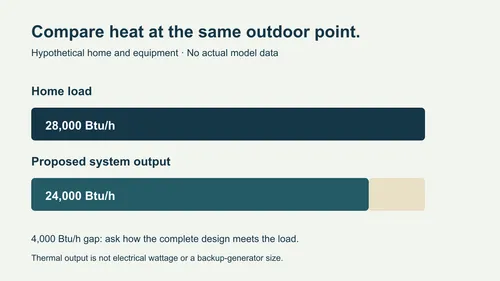
Compare a heat pump’s cold-temperature output with your home’s heating load. Learn what the cold-climate label proves and what to ask an installer.
Preparedness library
Complete guide library
Browse practical planning guidance for outages, water, food, backup power, communication, and home safety. Start with a topic or browse by publication date.
Archive page 4
Earlier published guides
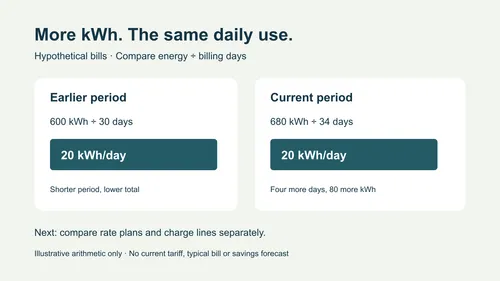
Compare billing days, kWh per day and charge details to find the next useful question. Use worked examples before buying equipment to solve a high bill.
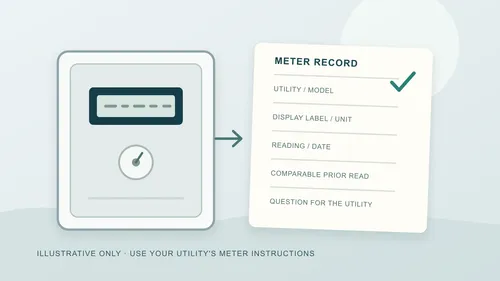
Identify the meter reading your utility uses, record its label and units, and compare like-for-like readings without opening or testing the meter.
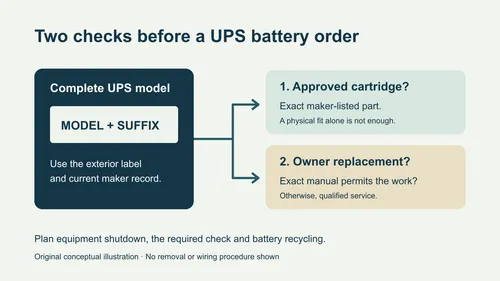
Find the approved UPS battery and whether the maker permits owner replacement. Record service, charging, testing and recycling before ordering.
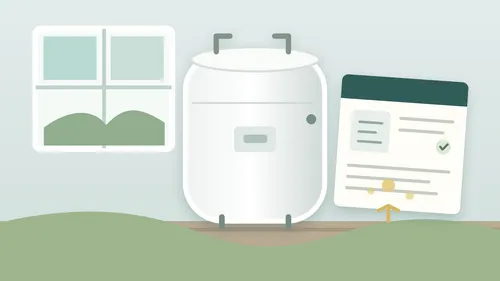
Check the exact heater model and manual to learn whether it can heat without grid power and what the manufacturer says about an outage and restored power.
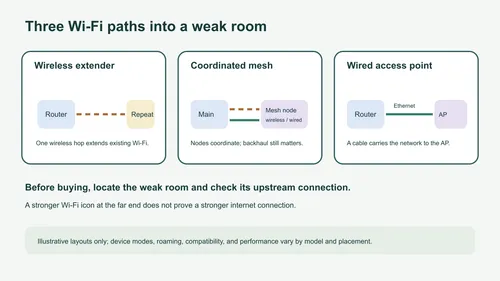
A weak room may need a wireless extender, a coordinated mesh system, or a wired access point. Choose by the shape of the problem and the connection available at that room.
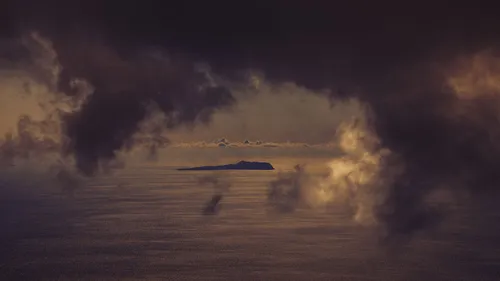
An atmospheric river is a moving stream of concentrated water vapor, not a neighborhood warning. Check the location, time, precipitation forecast, and local National Weather Service message before deciding what it means for you.
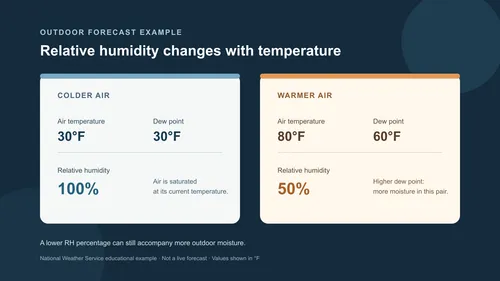
Relative humidity changes with air temperature. Compare it with dew point to understand how two outdoor forecasts can have different moisture content, then keep indoor readings separate.

A draft is a clue, not a whole-house diagnosis. Map accessible openings and record when you notice them before deciding whether a qualified energy assessor should help.
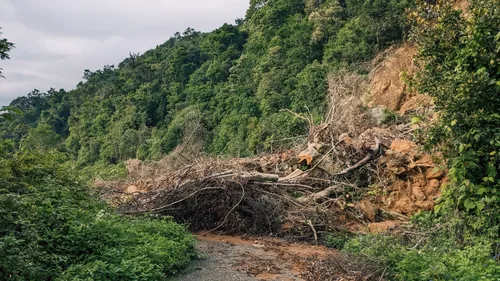
Notice a new crack, unusual water, or a change on a slope? Do not inspect it up close or assume it proves a slide is coming. Know what to report and when to move away, follow local instructions, or seek immediate help.
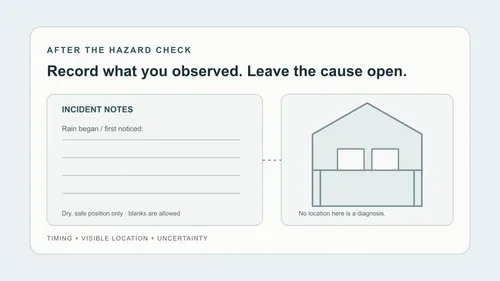
Rain-related basement water can have several causes. Start with hazard stops, then make a short observation record from a dry, safe position for the right local professional.
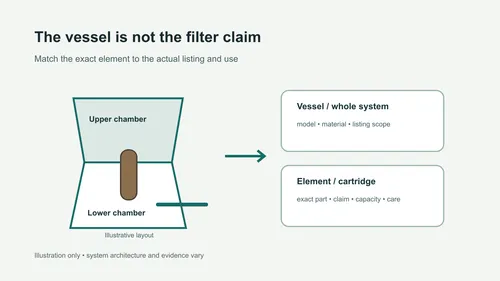
A gravity-fed container does not prove what its filter element removes. Match the vessel, cartridge, current listing, maintenance instructions, and actual water concern.
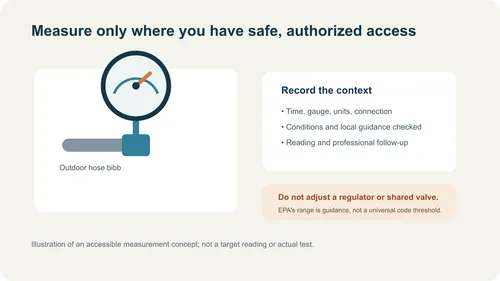
Use a pressure gauge only at a safe, accessible hose bibb, record the reading and ask a local utility or plumber what it means for your home.
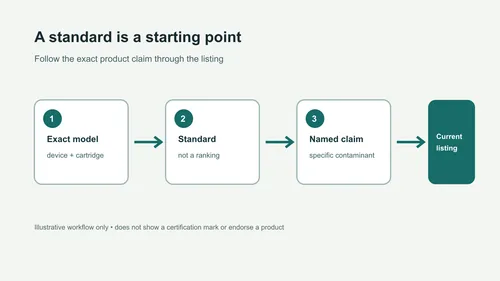
NSF/ANSI 42 and 53 are different standards, not quality grades. Match the exact system and cartridge to the named reduction claim in the current listing.
Gather permits, service reports, and system details so your next septic inspection or maintenance date comes from the installed system and local requirements.
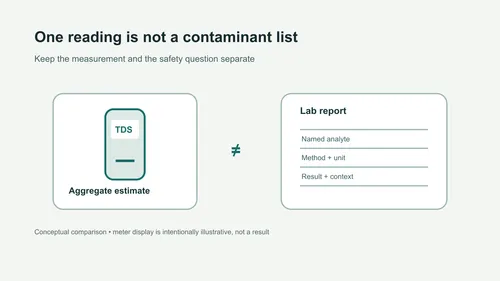
A handheld TDS number is an aggregate estimate, not a contaminant report. Learn what it measures, what it cannot establish, and what evidence to gather next.
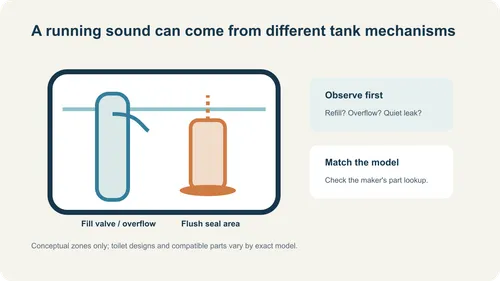
Separate a tank that refills or overflows from a leaking flush seal, then use the toilet model to check the exact compatible part before repair.
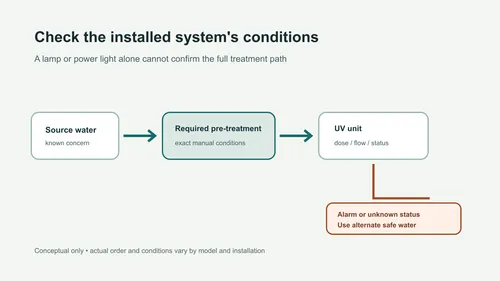
A UV lamp depends on clear-enough source water, the system's rated conditions, and working controls. Record what your installed model requires and what to do after an alarm.
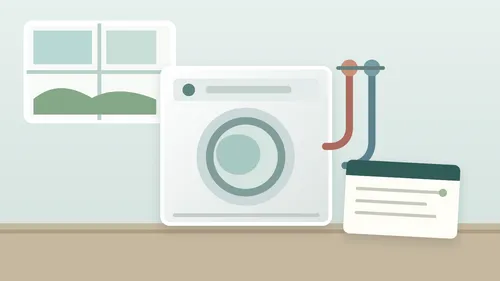
Record the washer's visible inlet-hose condition and replacement history, then check the exact manufacturer guidance before planning service.
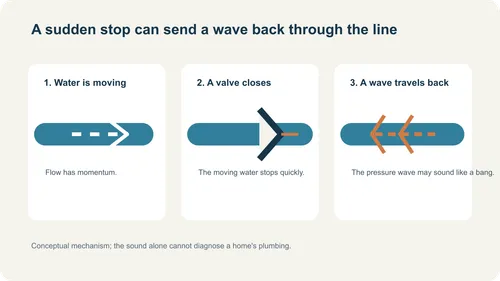
A bang after a valve shuts can be water hammer, but sound alone cannot diagnose the cause. Map when it happens and give a plumber useful details.