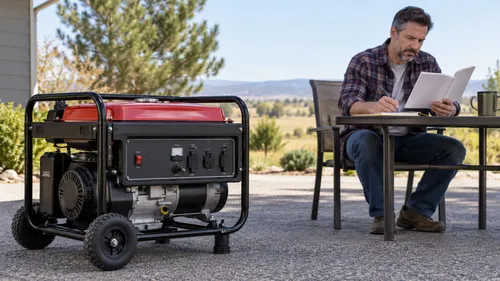
Separate a no-start from no output or an automatic shutdown, record safe observations, and find the exact model manual before requesting service.
Preparedness library
Complete guide library
Browse practical planning guidance for outages, water, food, backup power, communication, and home safety. Start with a topic or browse by publication date.
Archive page 6
Earlier published guides
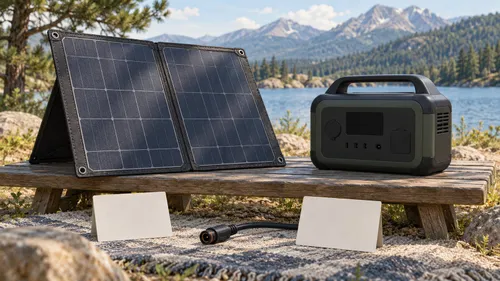
Compare a panel's open-circuit voltage and current ratings with the exact power station input limits before connecting equipment.
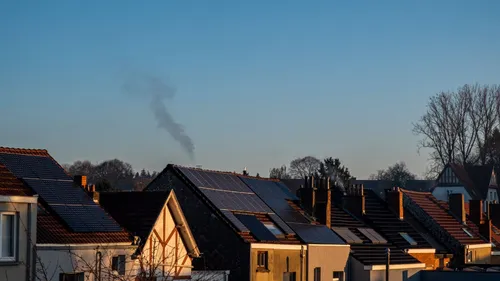
Learn why many grid-connected solar systems shut down in an outage and what equipment and documentation determine whether your system can provide backup power.
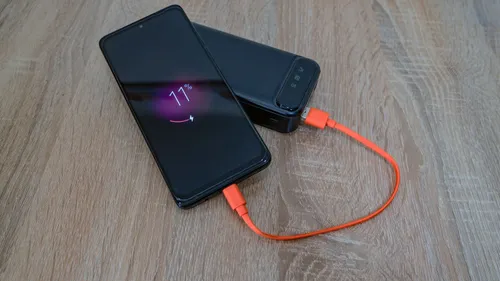
Estimate phone recharges from power-bank watt-hours and the exact phone battery capacity, then account for the fact that label math is only an upper bound.
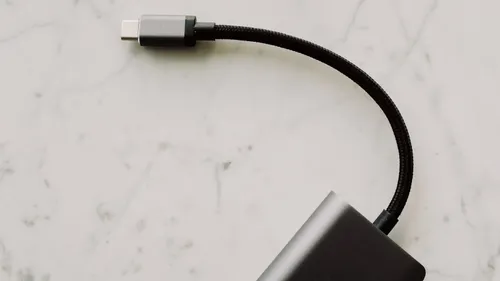
Check the power-delivery profiles supported by your device and charger and the cable's power rating before expecting USB-C fast charging.
Check whether your California utility uses Public Safety Power Shutoffs, confirm contact details and notice channels, and keep a household outage fallback ready.
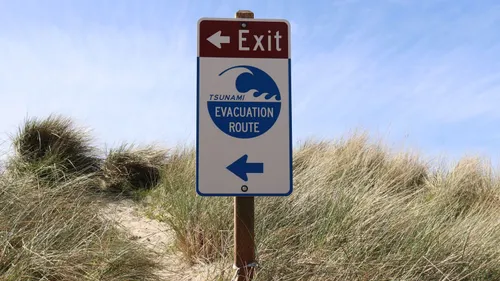
Know the natural tsunami warning signs, identify local evacuation routes before an earthquake, and move away from the coast when official or natural warnings apply.
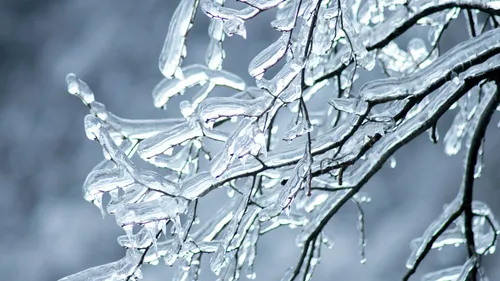
Sleet reaches the ground as ice pellets; freezing rain reaches it as liquid and freezes on contact. Use the forecast timing, impacts, and local instructions to decide what to postpone and what to check at home.

Air temperature and heat index answer different questions. Compare the location, time, humidity and forecast validity before turning either number into an activity plan.
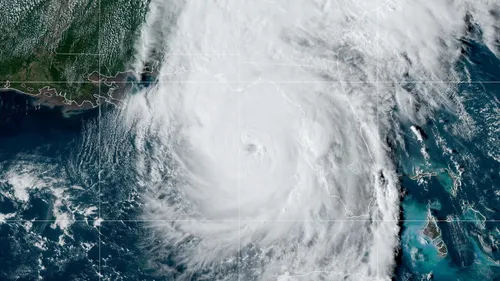
A hurricane category describes sustained wind speed, not every local hazard. Read the five wind bands separately from surge, inland flooding, tornado and evacuation information.
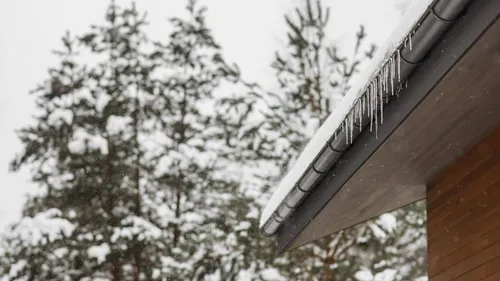
Icicles alone cannot confirm a roof ice dam. Record roof-edge ice and indoor water from safe ground, then hand the observations to a qualified professional.

Compare respirator markings and fit for particle smoke, then understand what N95 and KN95 filtering facepieces cannot protect against.
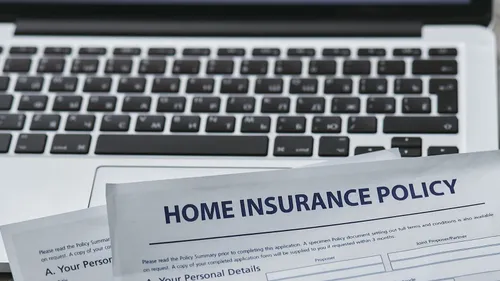
Use your policy documents and insurer’s written confirmation to check when NFIP flood coverage begins and whether a stated exception applies to your situation.
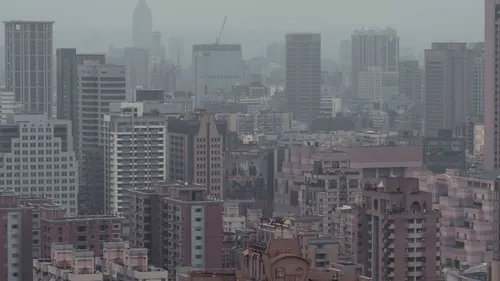
Use the pollutant, category message, current NowCast, and forecast to make a practical outdoor-activity plan without treating the AQI as personal medical advice.

Understand the broad difference between a Fire Weather Watch and Red Flag Warning, then open the local alert and check the separate evacuation instructions for your area.
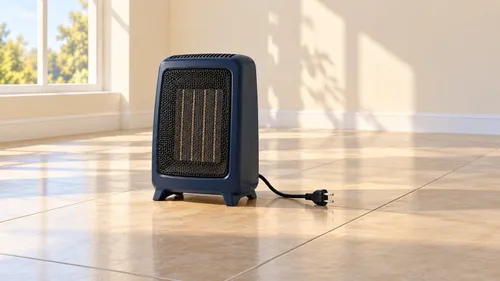
Calculate electricity use from a space heater's exact input rating and planned hours, then compare that load with a backup source's documented output and energy limits.
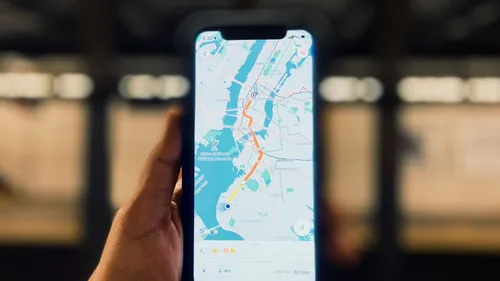
Find the electric provider for your address, check its official outage status, and report an outage with the details the utility can use.

Respond to a sudden change in tap-water appearance, taste, or odor by checking the source, contacting the right authority, and avoiding a guess about safety.
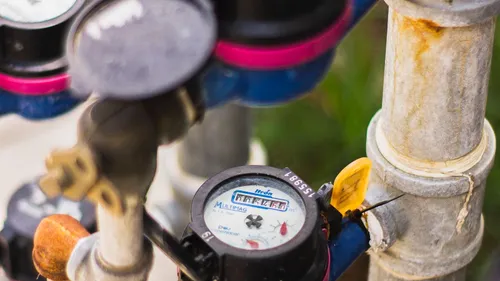
Use your water bill, meter, and a simple fixture walk-through to find leaks and choose household water-saving steps you can verify.
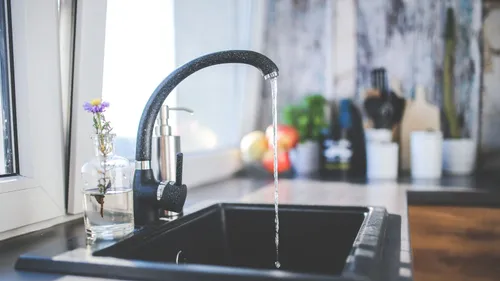
Compare which taps are affected, note hot and cold water separately, and use the pattern to decide whether to contact your utility, property manager, or a plumbing professional.