
Compare household reverse osmosis and distillation by how each treats water, what its label must verify, and the practical tradeoffs of energy, time, and reject water.
Preparedness library
Complete guide library
Browse practical planning guidance for outages, water, food, backup power, communication, and home safety. Start with a topic or browse by publication date.
Archive page 7
Earlier published guides
A refreezing decision table for food thawed in the refrigerator, cold water, microwave, or a freezer that warmed during an outage.
Plan cold sources, separate drinks from perishables, pack a thermometer, and decide what to do if transported food rises above safe refrigerator temperature.

Use can shape, seam damage, swelling, leakage, and rust depth to decide whether a commercial can is intact enough to keep. Never taste food from a suspect container.
Compare dry ice with ordinary ice and other cold-storage options, check handling and ventilation limits, and prepare a supplier-and-appliance checklist.

Use a stirred ice-water slurry to check many food thermometers, then follow the exact model instructions to adjust, replace, or use a thermometer that cannot be calibrated.
Check refrigerator and freezer temperatures with the right thermometer, distinguish a control setting from a measurement, and keep a useful record before an outage.
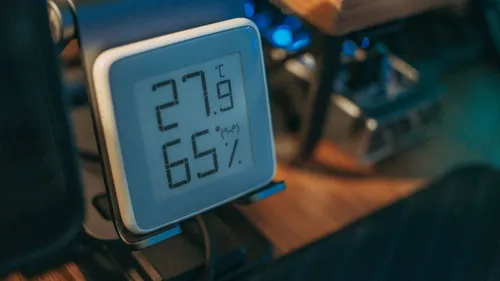
Measure room humidity, describe how damp the space is, and use ENERGY STAR's capacity ranges as a starting estimate before comparing a portable dehumidifier.
Prepare for a garage opener losing power: find the exact release instructions, recognize unsafe-door conditions, check battery backup, and preserve another exit.

MERV and HEPA describe different filter measures and uses. Match the label to a room cleaner or HVAC system, then check fit and system compatibility.
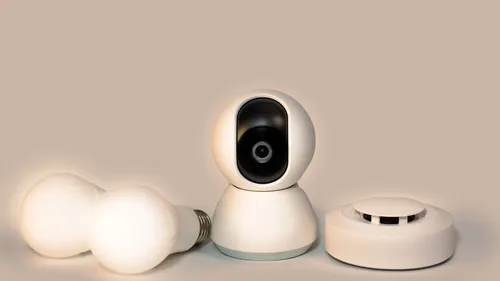
A periodic chirp can mean different things on different alarms. Identify the exact device, check its model instructions, and restore working smoke-alarm coverage.
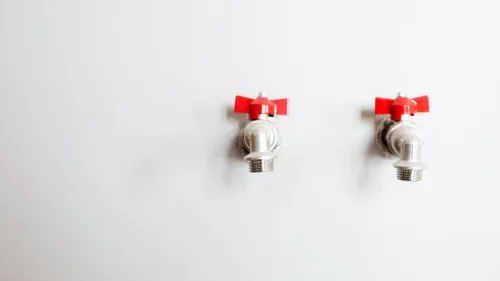
Record the household's likely water shutoff, who is allowed to operate it, and who to call when a leak or inaccessible valve needs help.
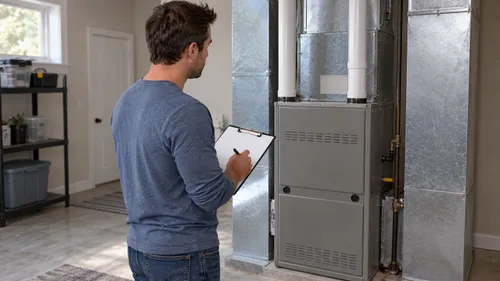
Gather the exact furnace and blower electrical data, control requirements, and connection questions a qualified contractor needs for an outage plan.
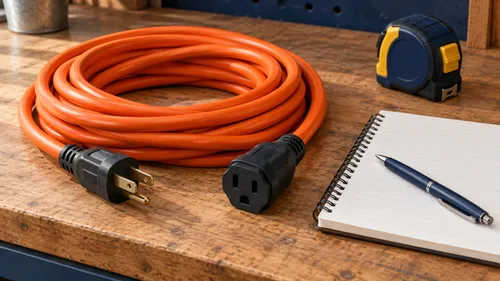
Match a temporary generator cord to one appliance by checking the appliance label, generator receptacle, outdoor rating, route, length, and cord markings.
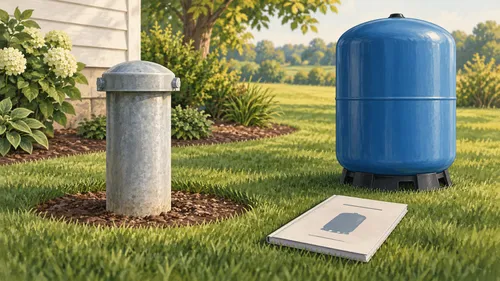
Identify the well pump and motor data a licensed contractor needs to estimate backup power without guessing from horsepower alone.
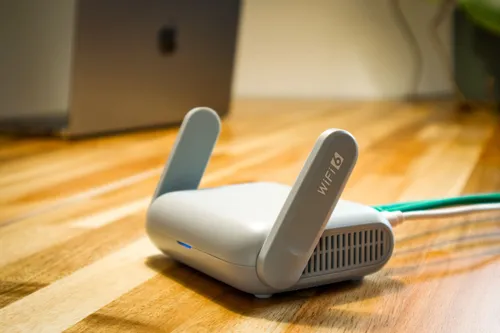
Diagnose band mismatch during smart-device setup using the exact device and router instructions without weakening the household's Wi-Fi security.
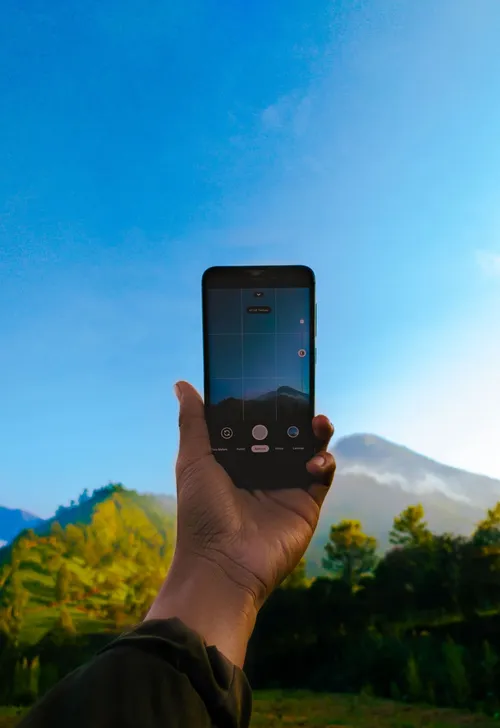
Check the iPhone, iOS, purchase region, and country eligibility, prepare emergency details, and use Apple's demo without contacting emergency services.
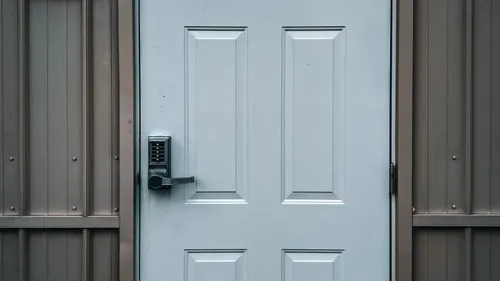
Record your exact lock's low-battery warning, emergency entry method, required backup battery or key, and household access fallback.
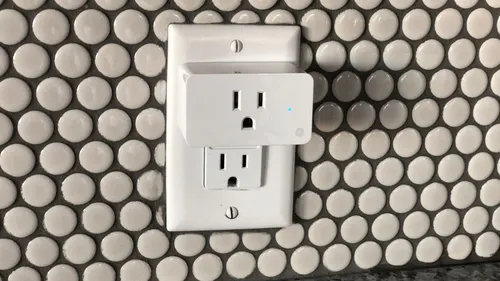
Read a smart plug's load-specific limits, compare them with the appliance manual, and check restart behavior before adding remote control or energy monitoring.
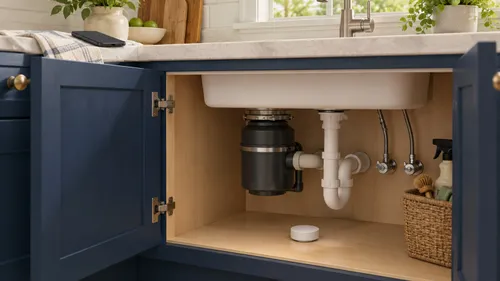
Map likely leak points, distinguish local alarms from remote alerts or shutoff, and record a safe test that proves what your exact sensor can do.