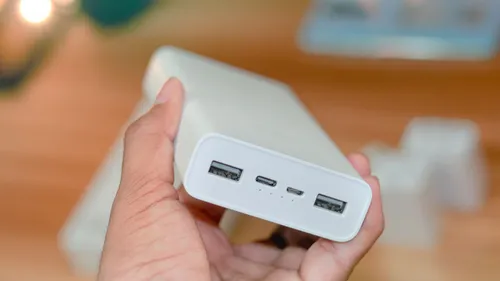
Check a power bank's watt-hour rating, carry-on status, terminal protection, and airline rules before flying with a spare lithium battery.
Preparedness library
Complete guide library
Browse practical planning guidance for outages, water, food, backup power, communication, and home safety. Start with a topic or browse by publication date.
Archive page 9
Earlier published guides
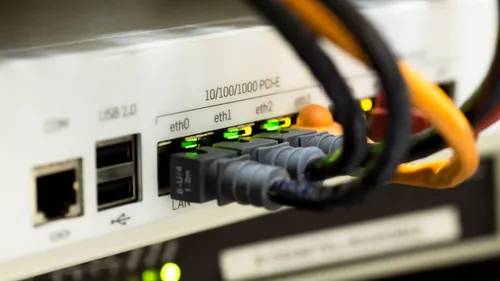
After a power outage, distinguish a provider problem from a modem, router, mesh, or device issue using indicator lights and the exact manufacturer's restart steps.
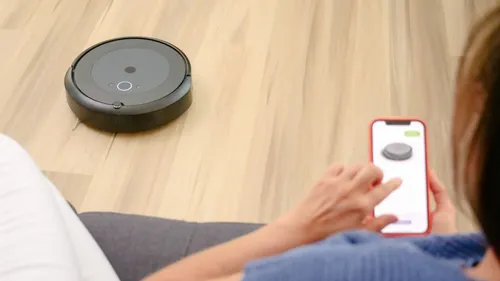
Keep a simple record of smart-home devices, update sources, support commitments, account dependencies, and fallback plans before an app or service changes.

Map what your smart-home devices can still do without internet by checking their power, hub, local network, and cloud dependencies one device at a time.
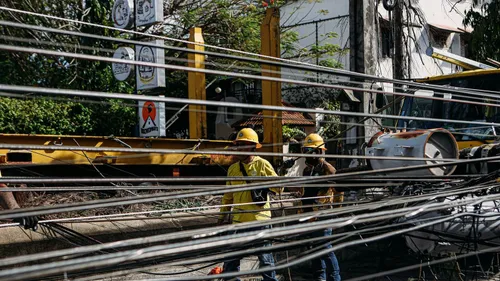
Treat a fallen or damaged power line as energized, keep people away from it and anything touching it, and call emergency services from a safe location.

After a small clean-water plumbing leak, record what got wet, dry promptly when safe, and distinguish a small mold cleanup from damage that needs professional help.
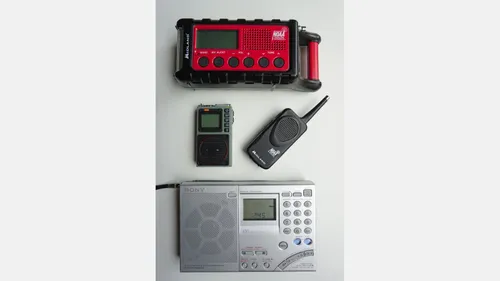
Match a weather radio to a transmitter that serves your county, check its location and alert settings, and keep a record of the next local weekly test.

When your water utility lifts a boil notice, check the exact return-to-use steps before drinking, making ice, or restarting connected appliances.

Move from a lead concern to the right local test, temporary exposure-reduction steps, and a filter whose exact model is certified for lead reduction.

Set the routine annual well test, spring inspection, and event-triggered follow-up with a state-certified lab and your local health department.

Use the contaminant table, units, standards, violations, and source notes in a Consumer Confidence Report to decide what question to ask next.
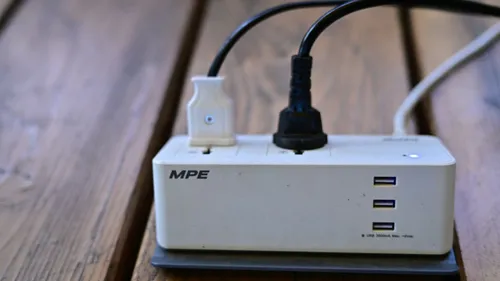
Tell surge protection apart from backup power, compare plug-in and panel-level protection, and know what to check after a warning light or electrical event.
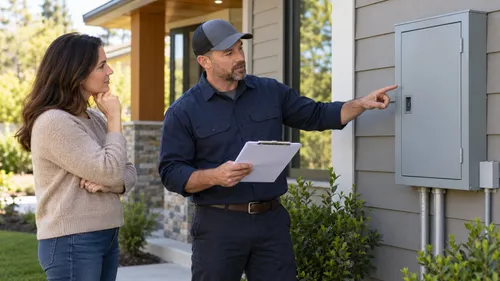
Prepare for an electrician visit by comparing manual transfer switches, panel interlocks, and automatic transfer systems at a planning level.
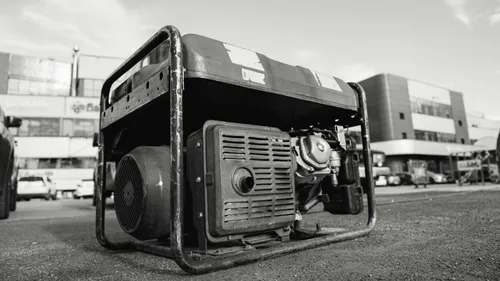
Compare inverter and conventional portable generators by output, sound, fuel use, portability, and the exact load and test conditions in their manuals.
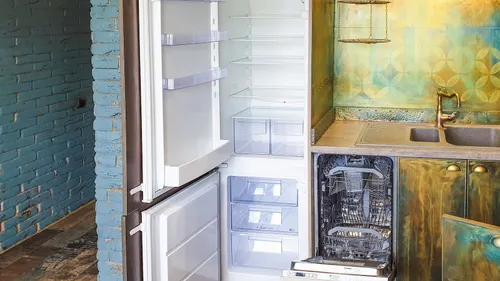
Separate a refrigerator’s running watts, brief compressor-start demand, and daily watt-hours so a backup-power estimate uses the right number for each job.
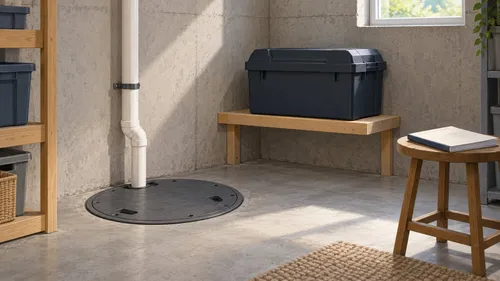
Compare sump-pump backup approaches, check the assumptions behind runtime claims, and make a test record for the pump, battery, alarm, and discharge path.

Check how rain, flooding, coastal exposure, slopes, snow, and outages could affect your California home, then assign visible property concerns to the right contact.

Turn the dated El Niño forecast into three winter priorities for your household, using historical lessons, regional outlooks, and the gaps that matter at home.

Decide whether extinguisher use is appropriate, read class and listing labels, check the exact unit, learn PASS, and know when to leave.

Map usable exits, choose a meeting place, assign help, adapt for apartments and access needs, and practice a calm household fire drill.