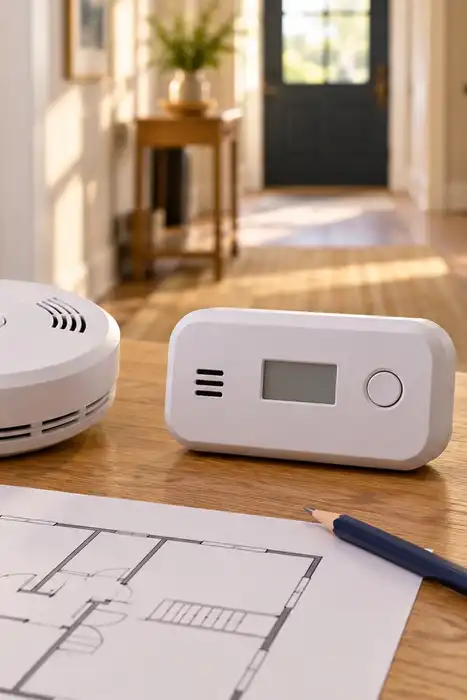
Choose, place, test, maintain, and replace smoke and carbon monoxide alarms using the exact labels, manuals, local requirements, and household alert needs.
Household safety guides

Use official clearance, structural and utility stop signs, protective equipment, documentation, and clear professional handoffs before entering a flooded home.

Choose and prepare one room that can reduce wildfire-smoke particles while remaining cool, usable, and ready for the household to leave if conditions change.
Keep a flooded private well out of service while local health officials and qualified contractors set the inspection, disinfection, flushing, and testing sequence.

Plan safe manual fallbacks for locks, garage access, cameras, alarms, lighting, communications, and household check-ins during a power outage.
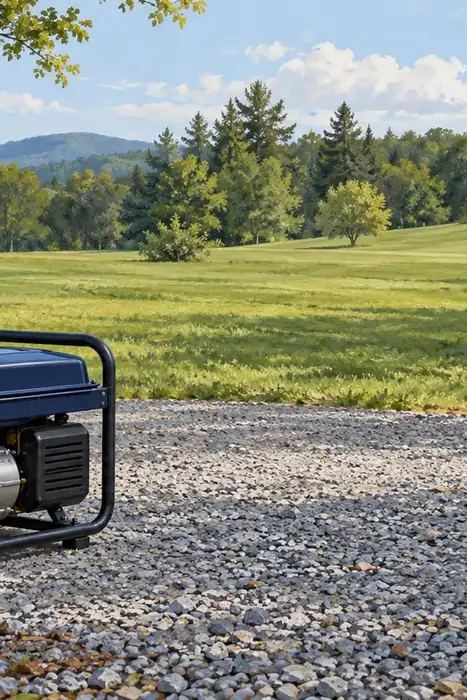
Use a portable generator more safely with CDC and CPSC guidance for outdoor placement, carbon monoxide alarms, electrical connections, weather, and fuel.